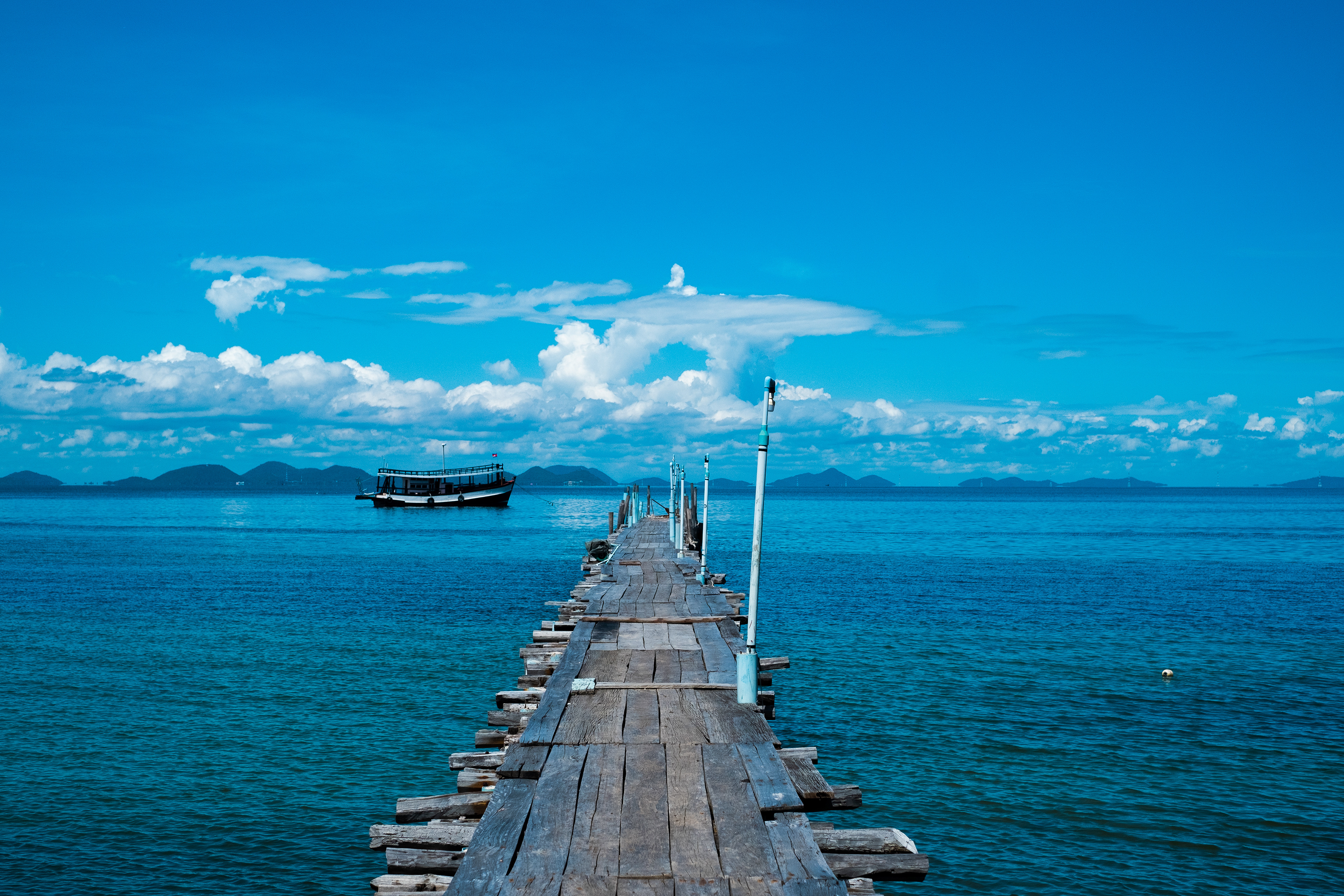
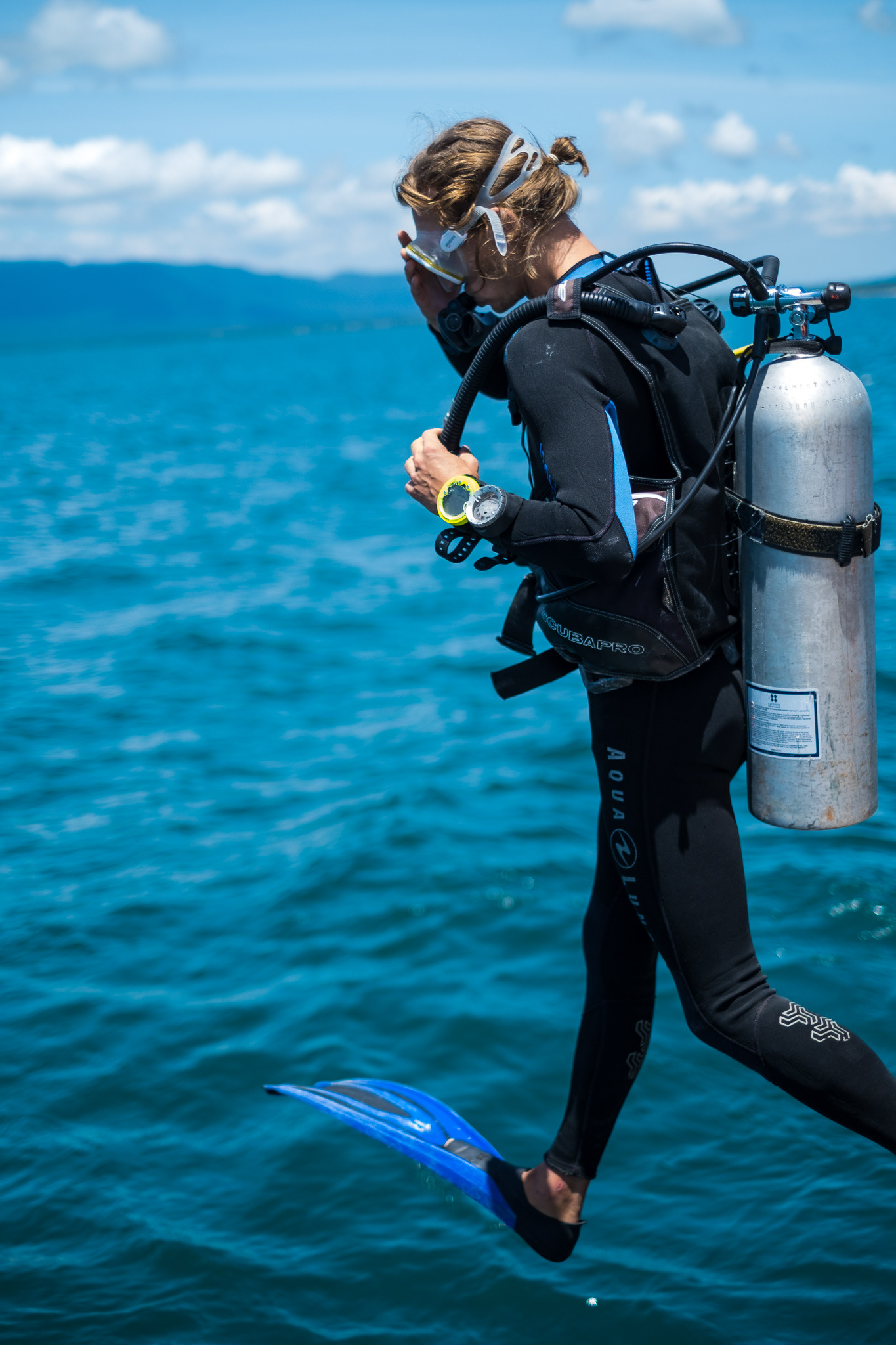
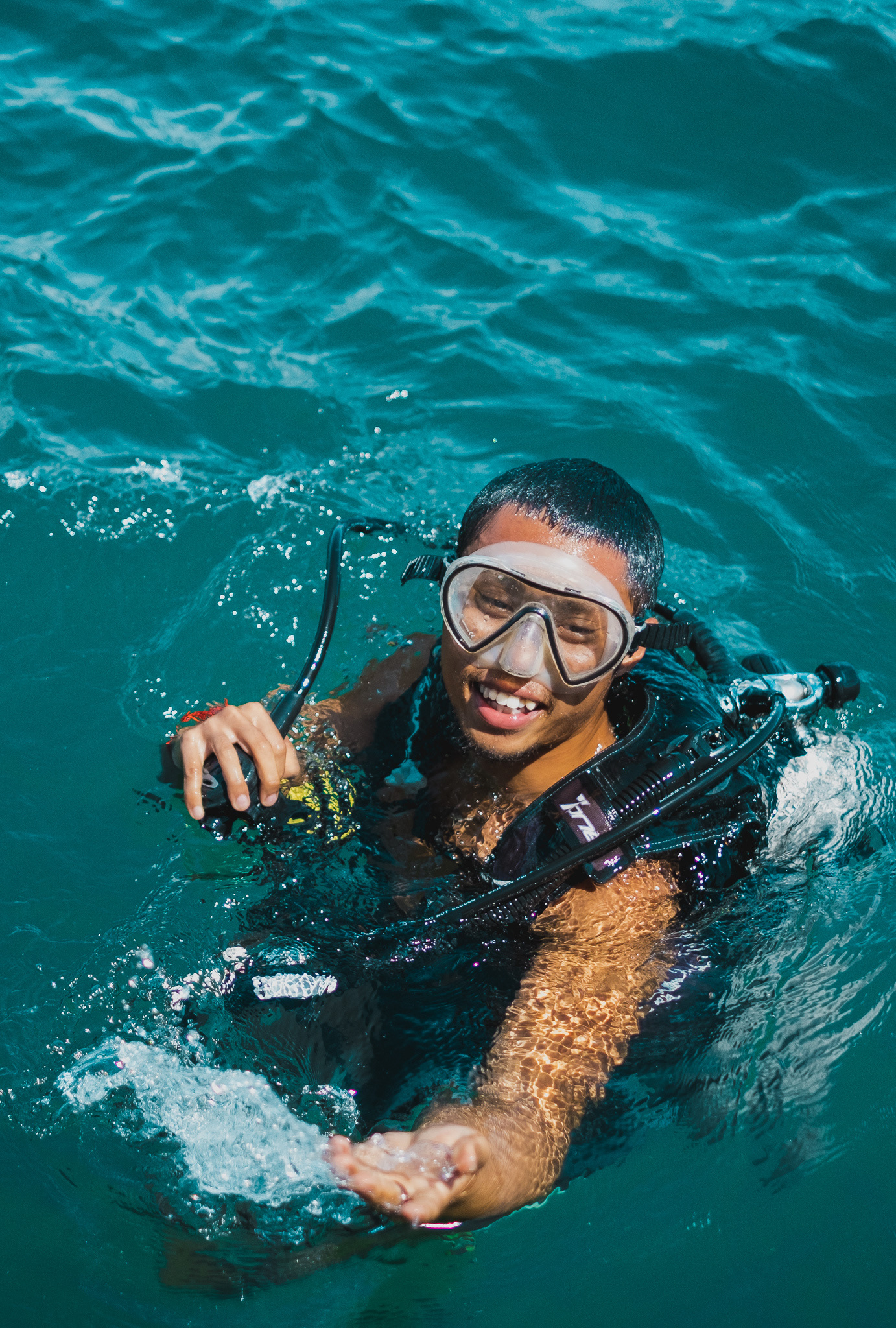
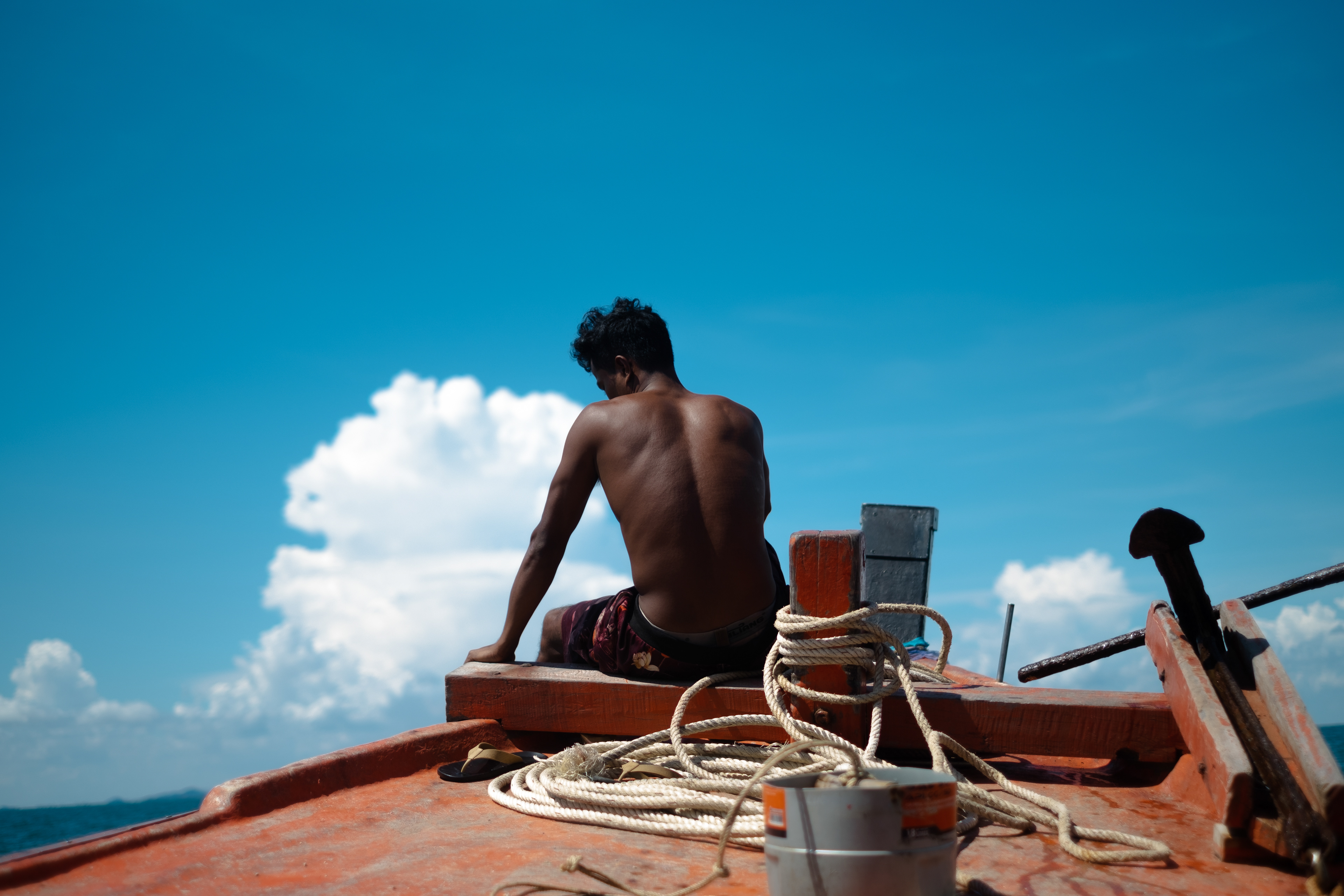
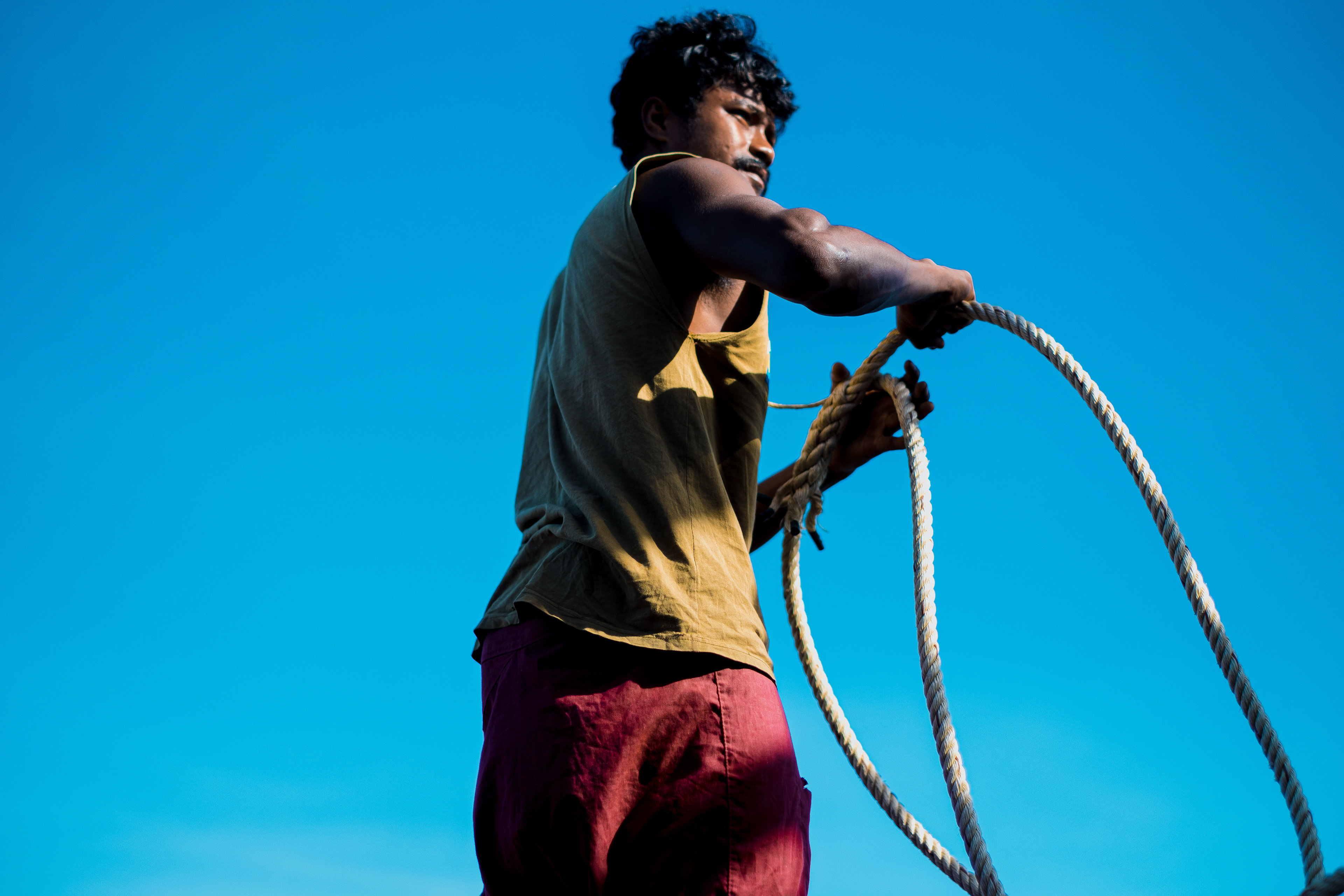
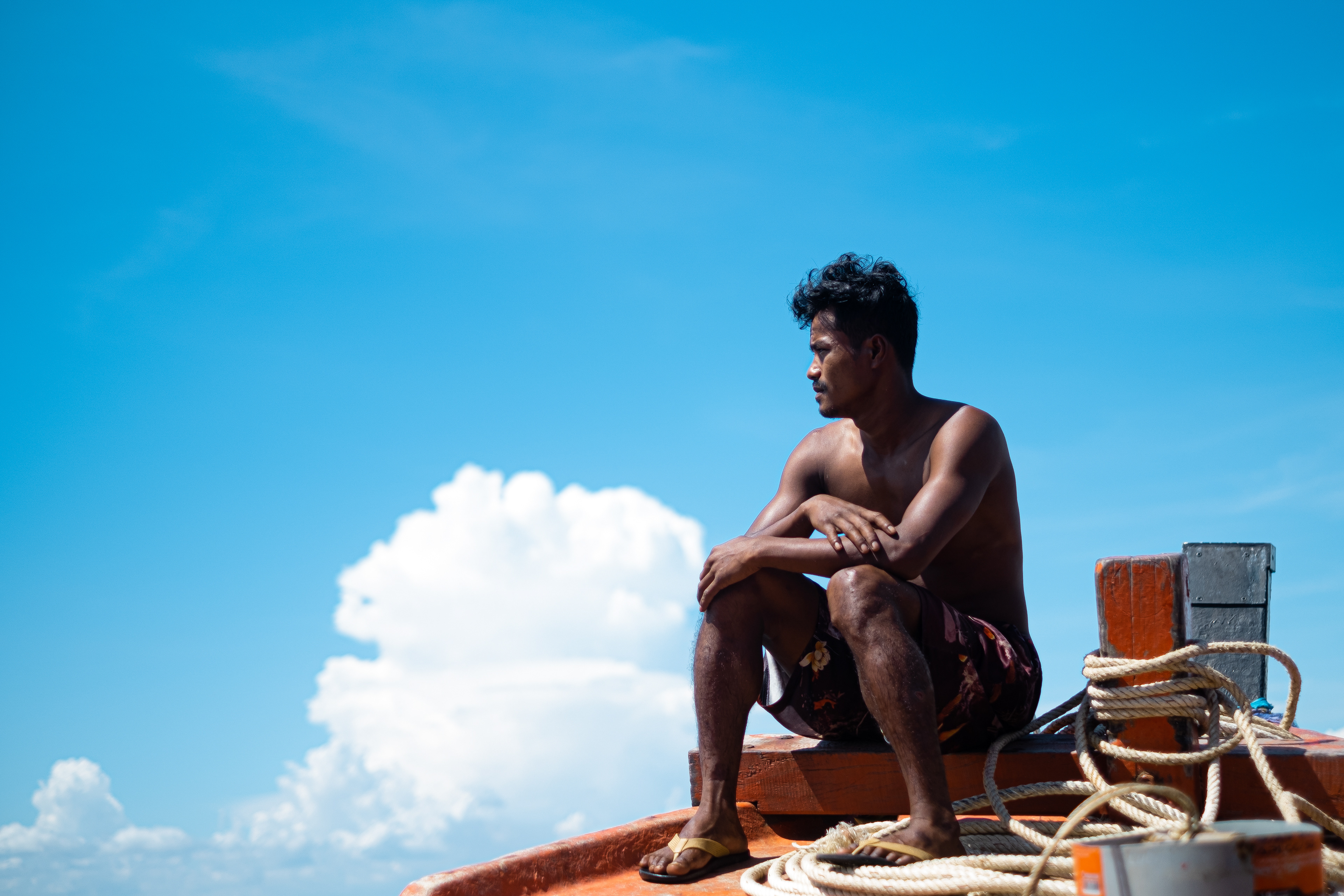
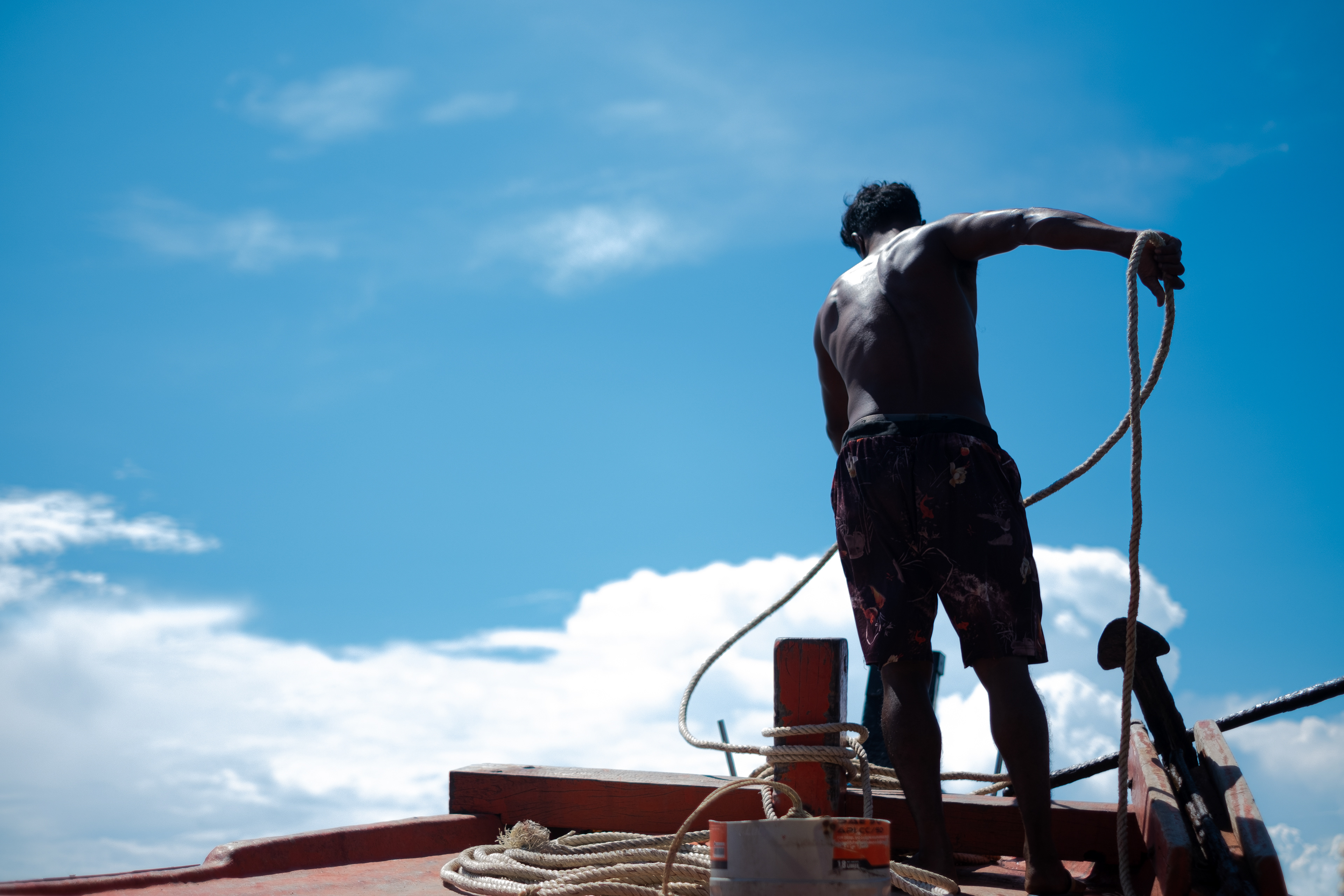
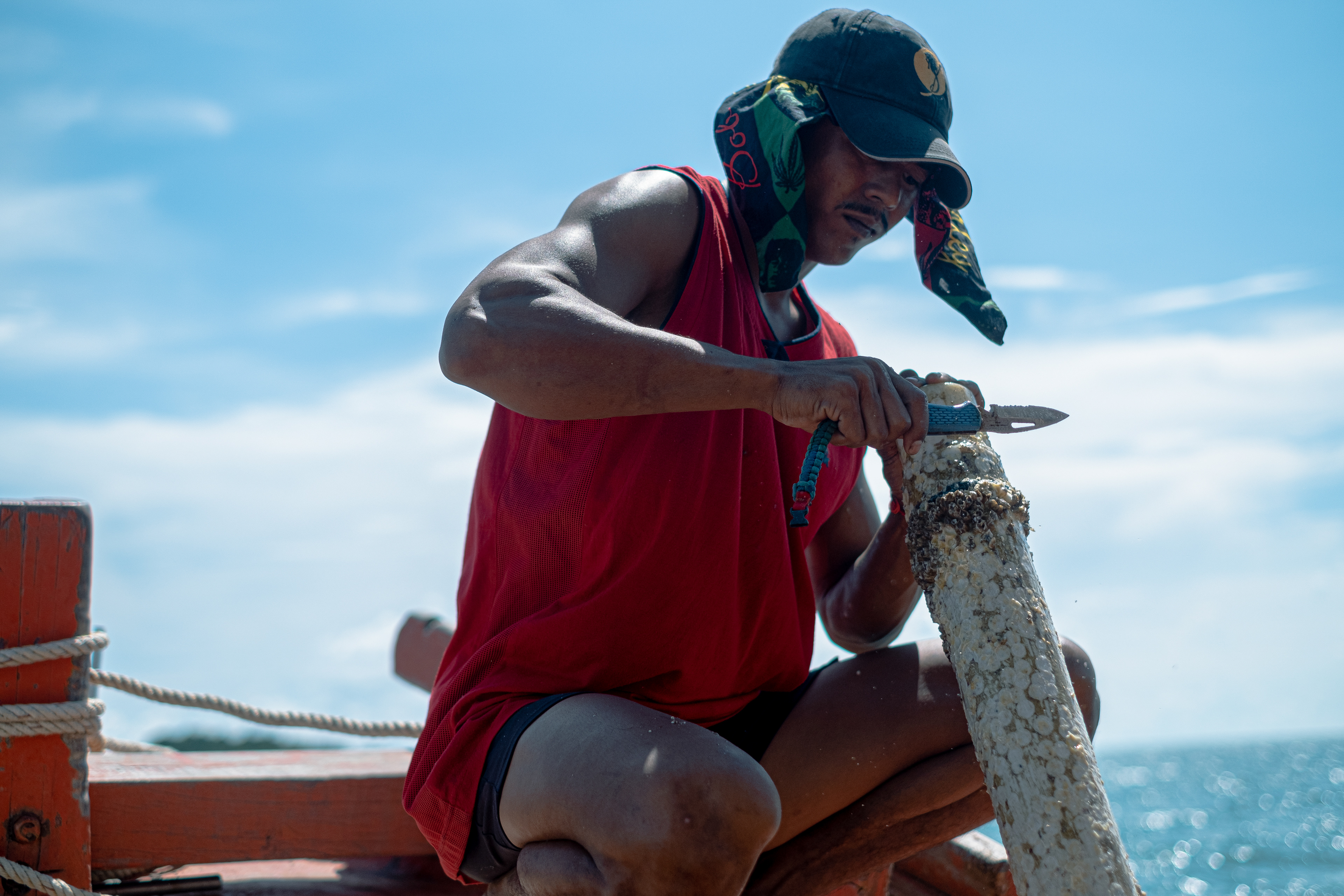
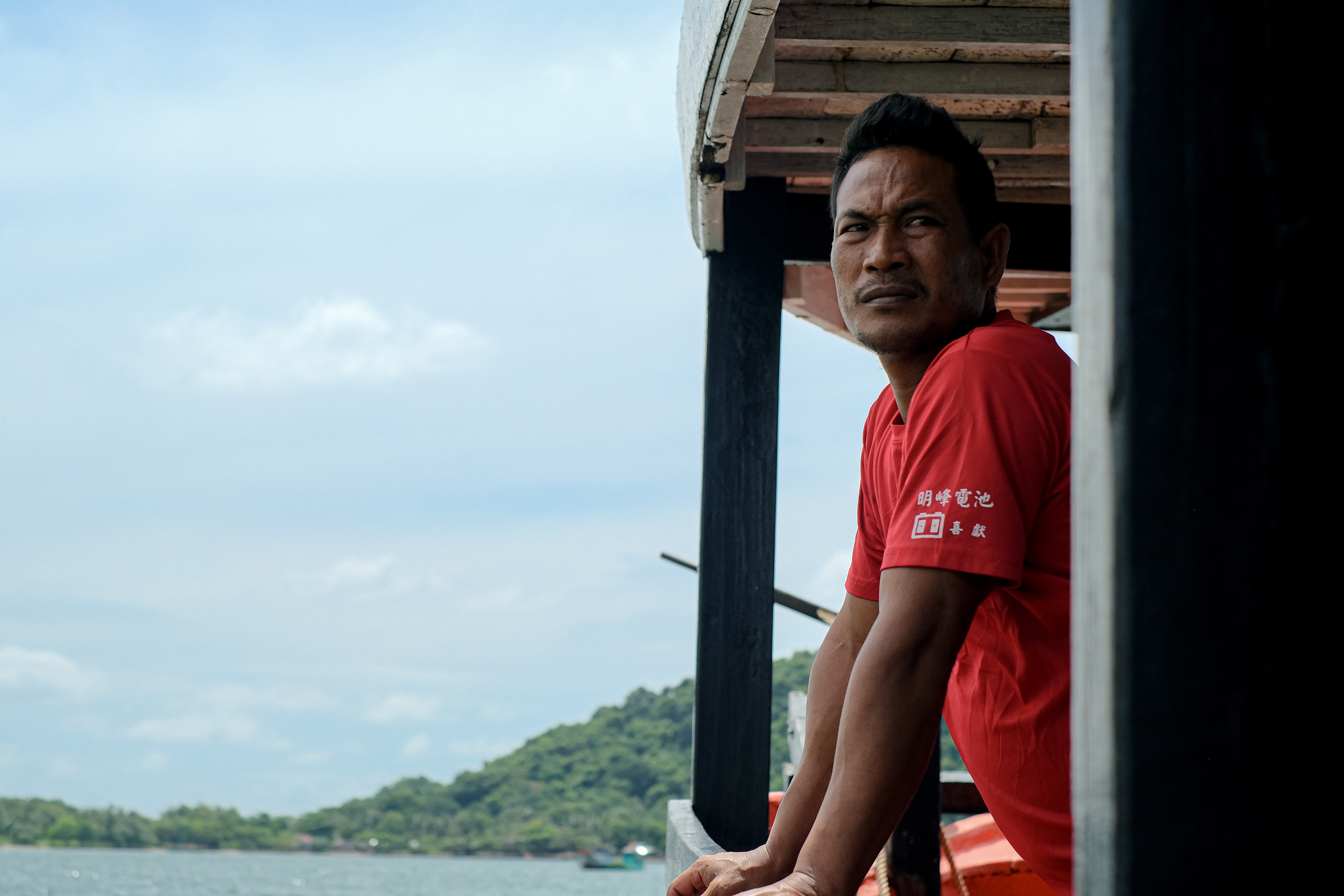
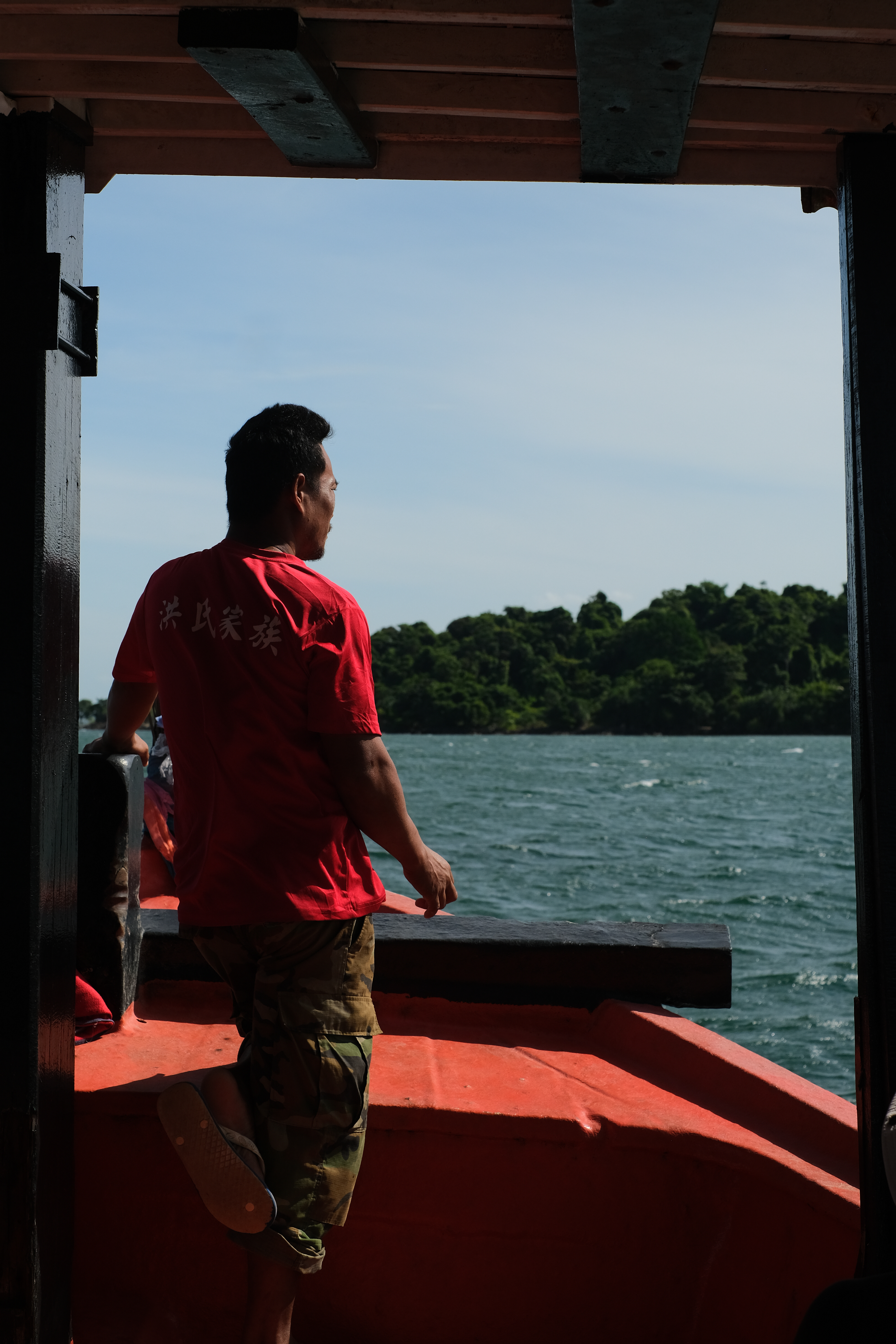
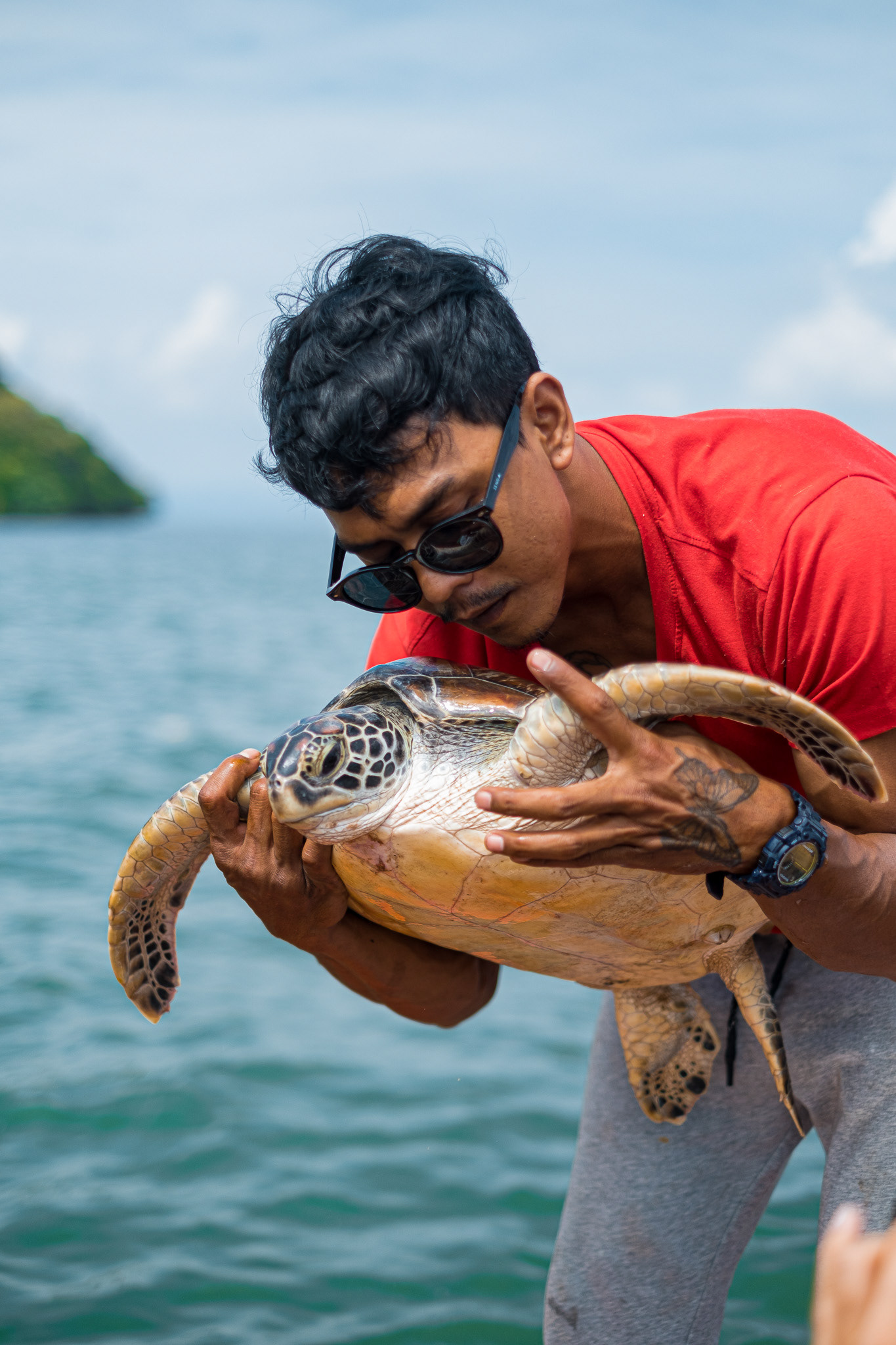
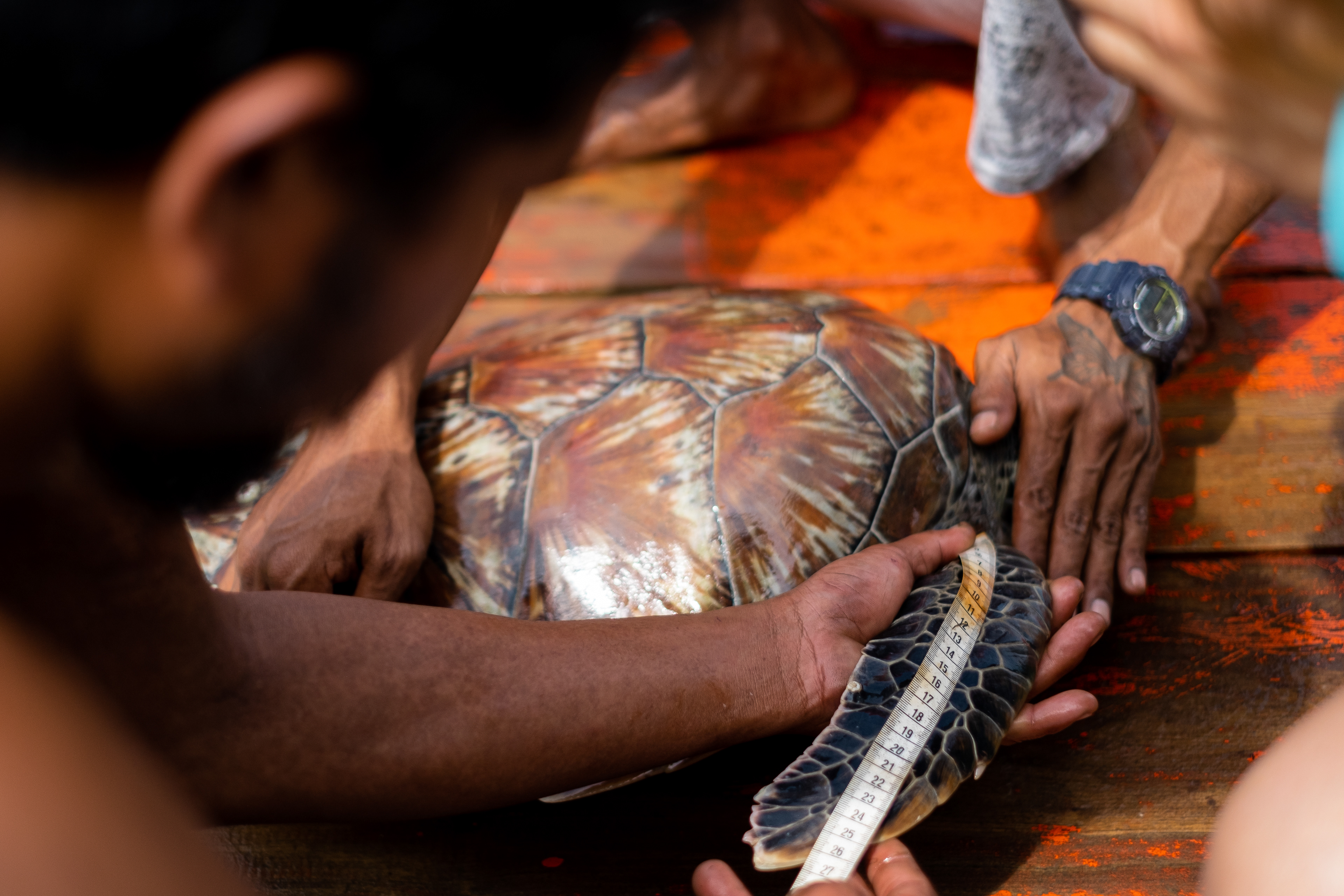
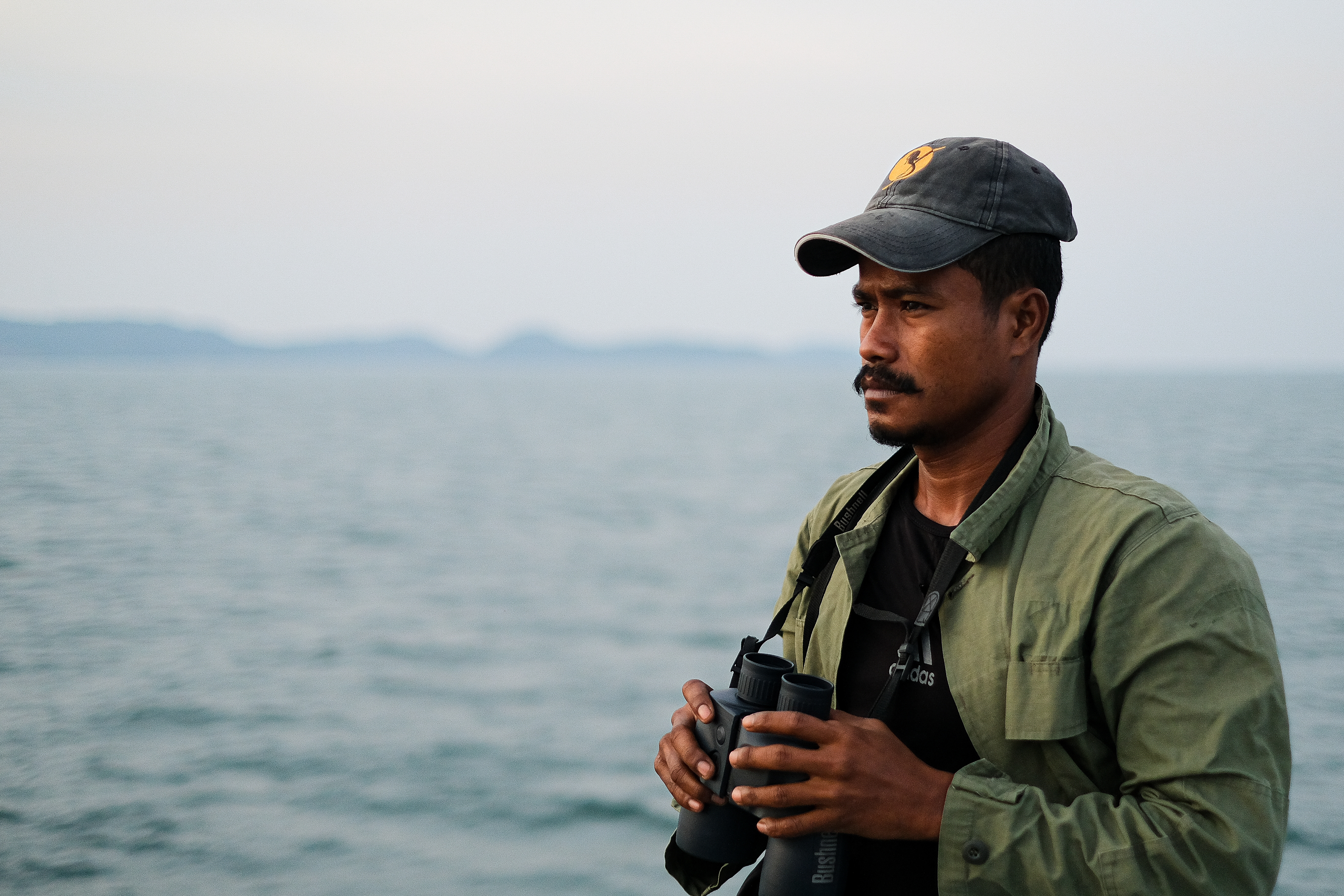
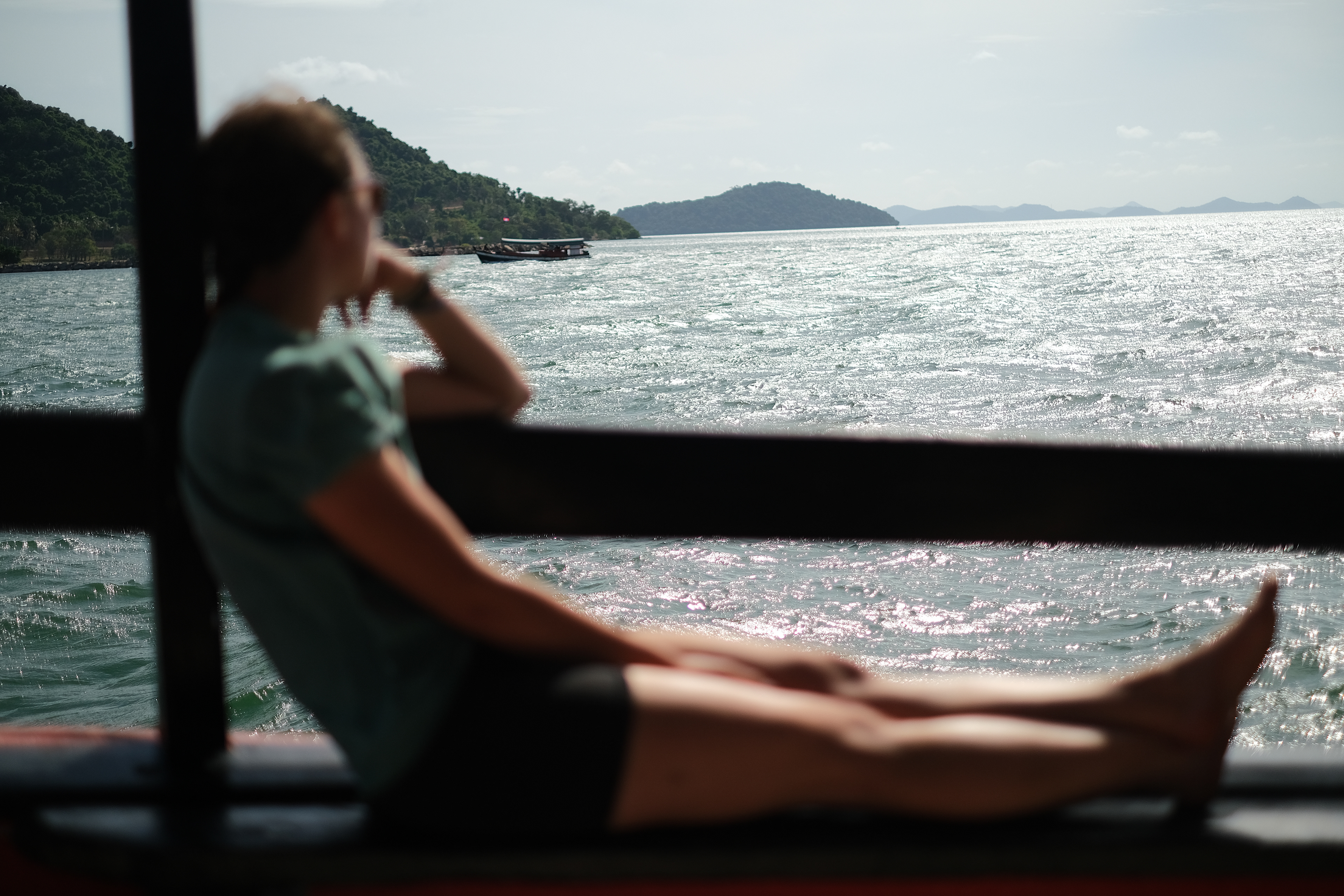
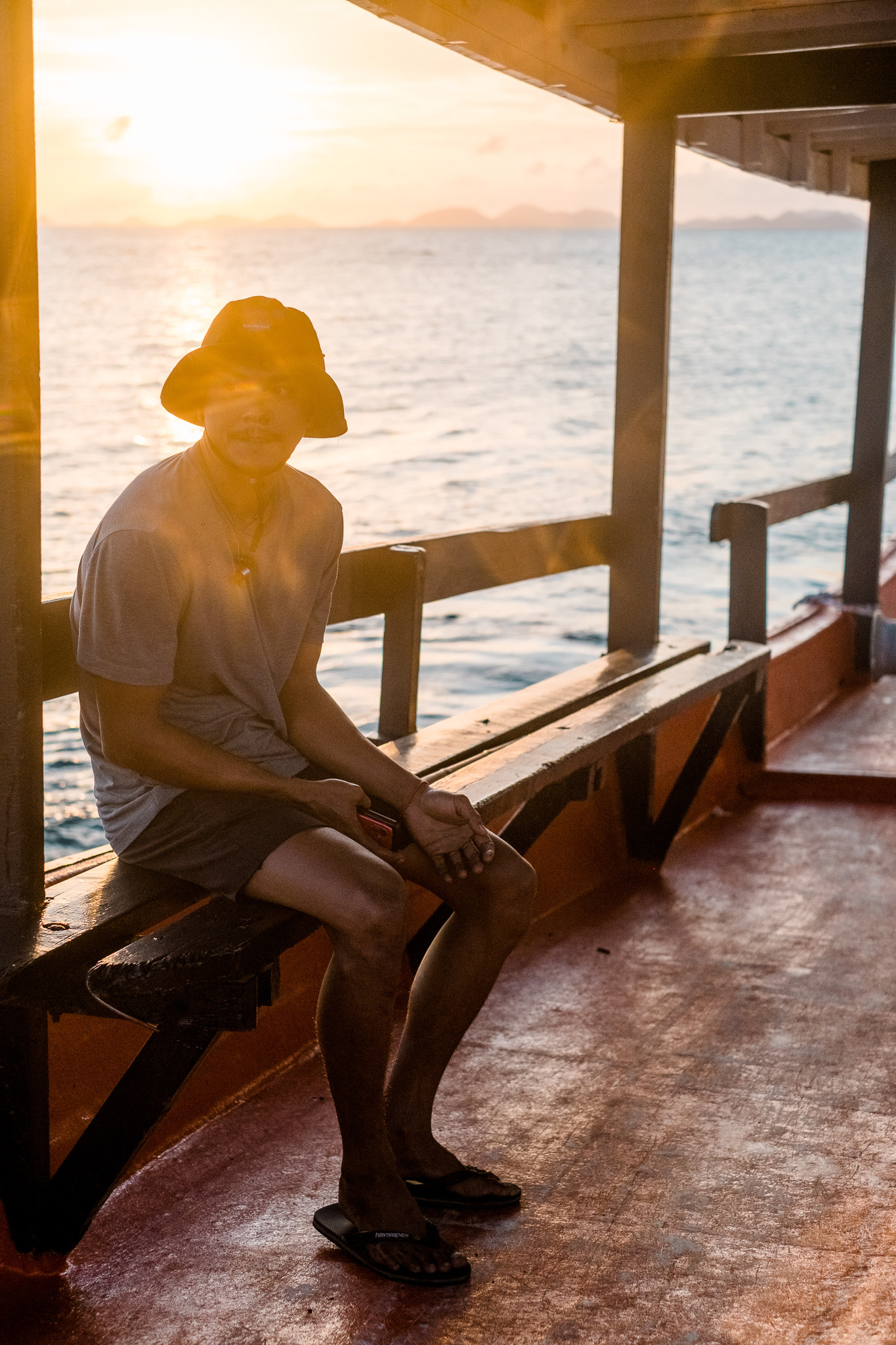
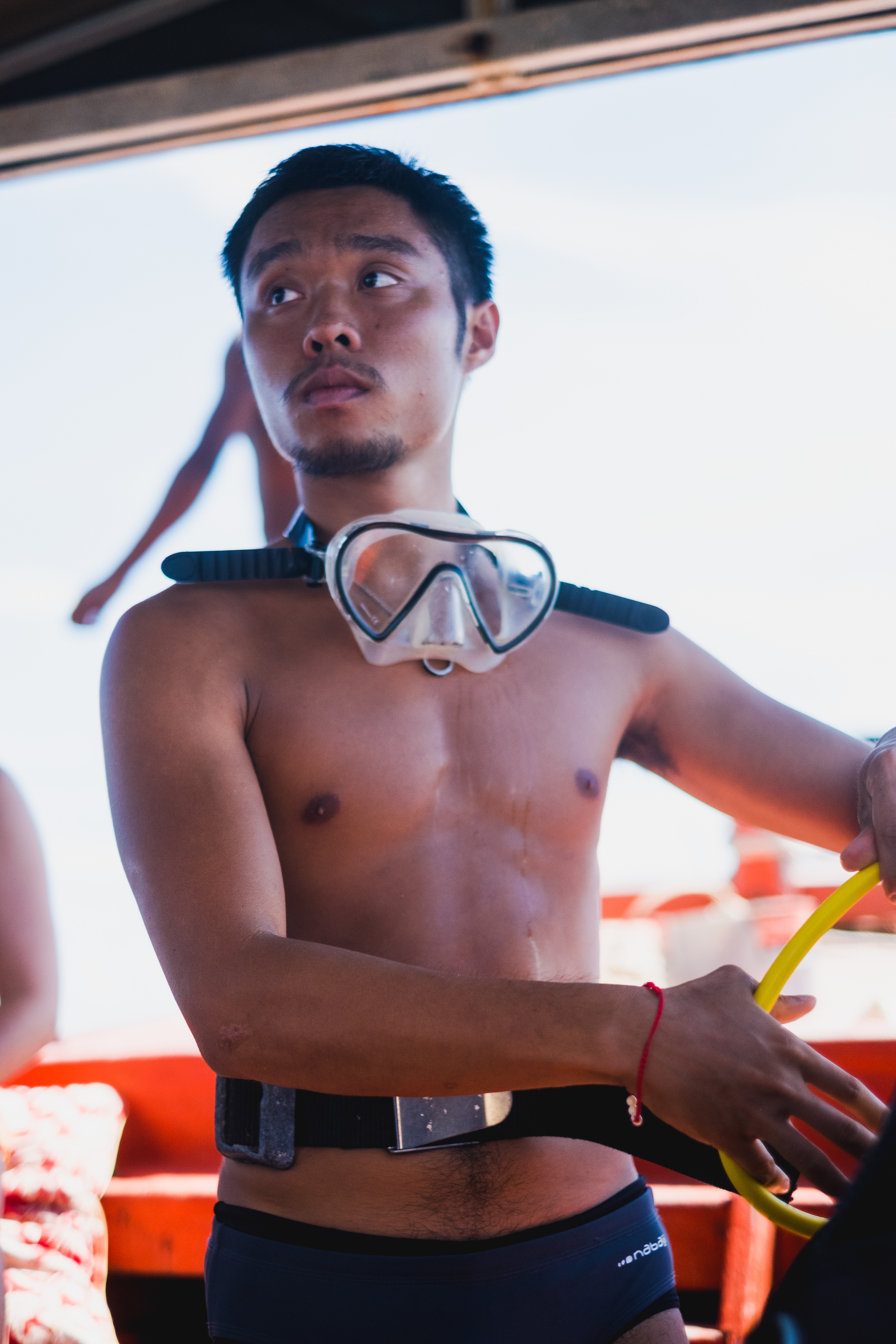
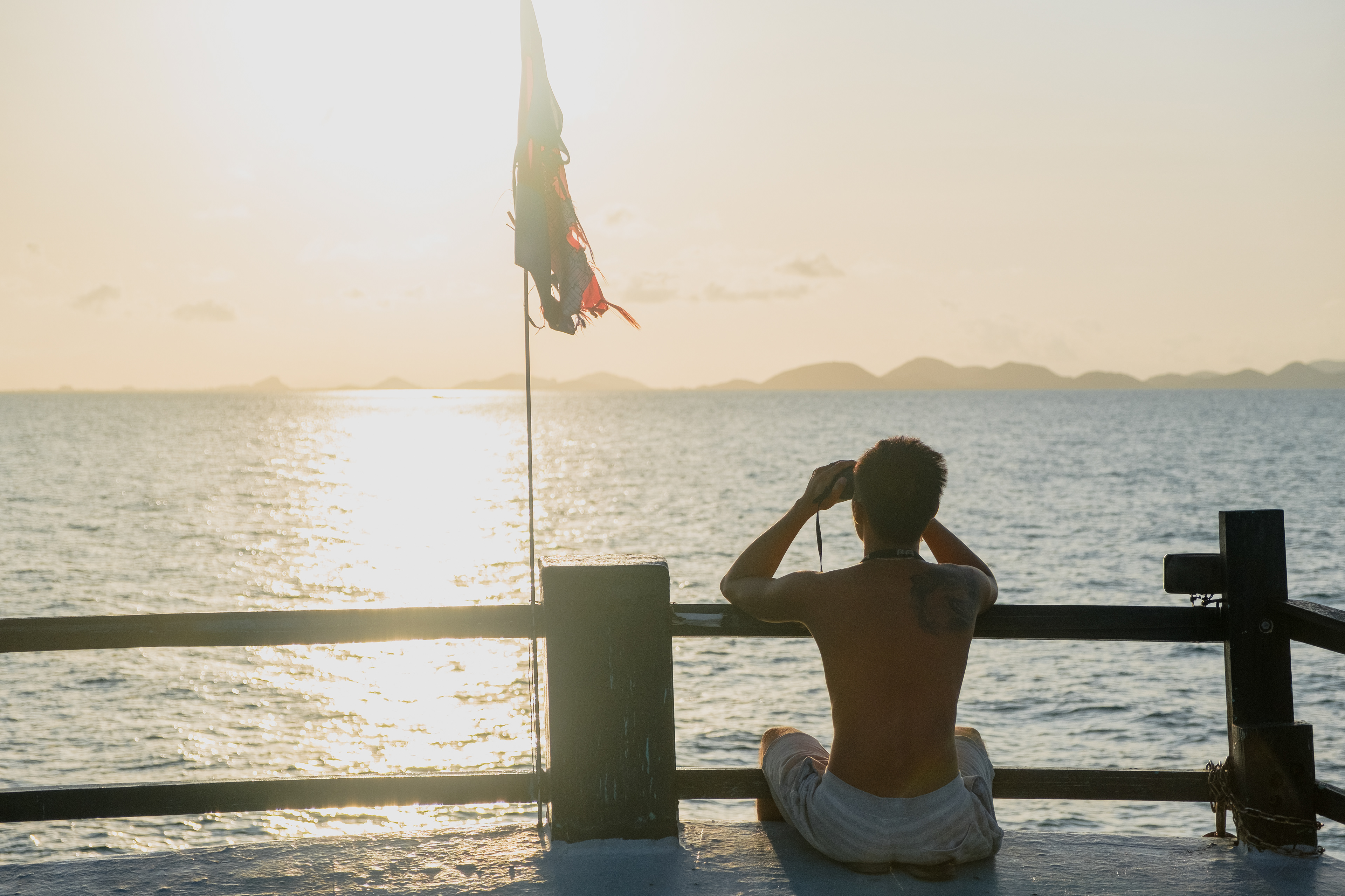
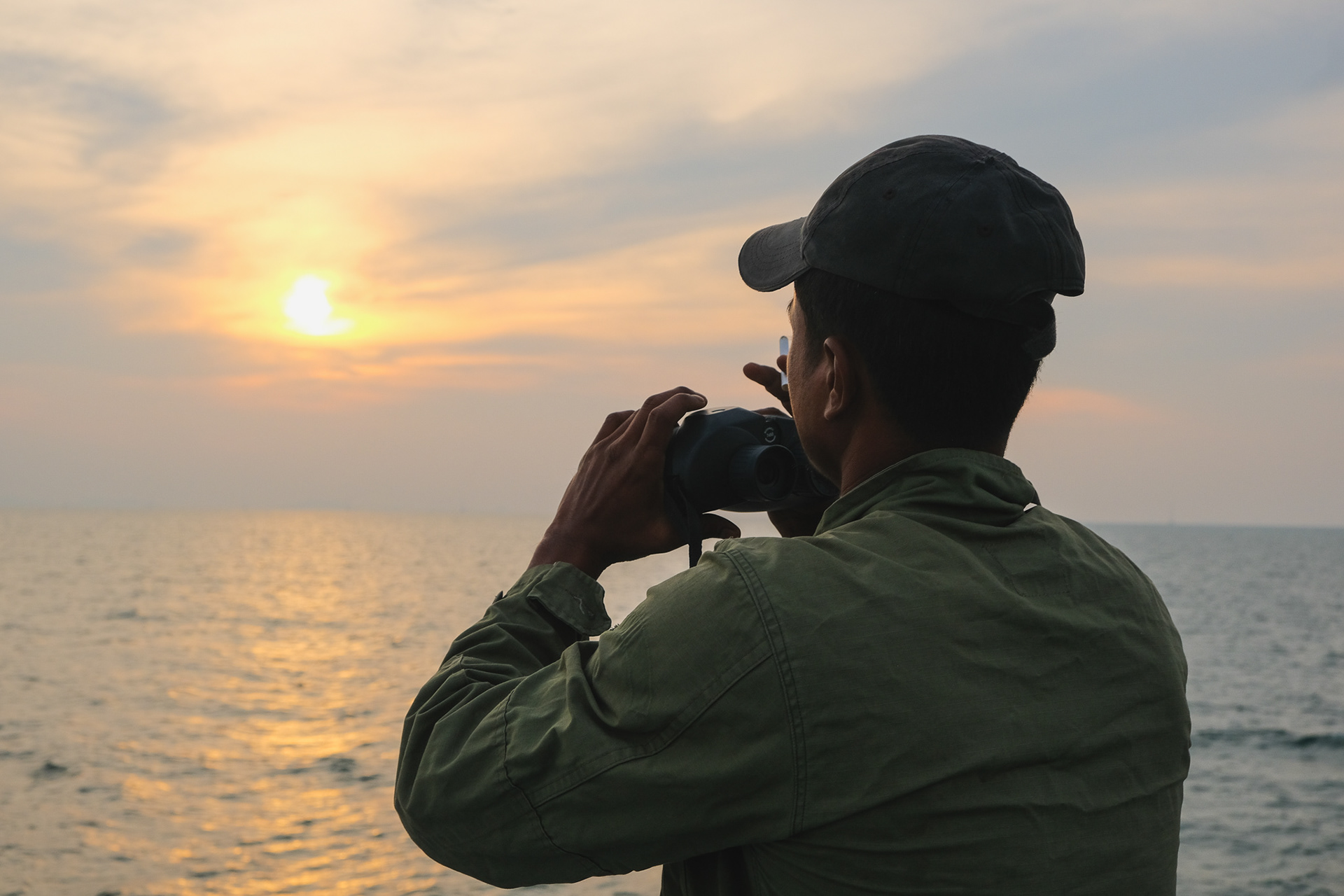
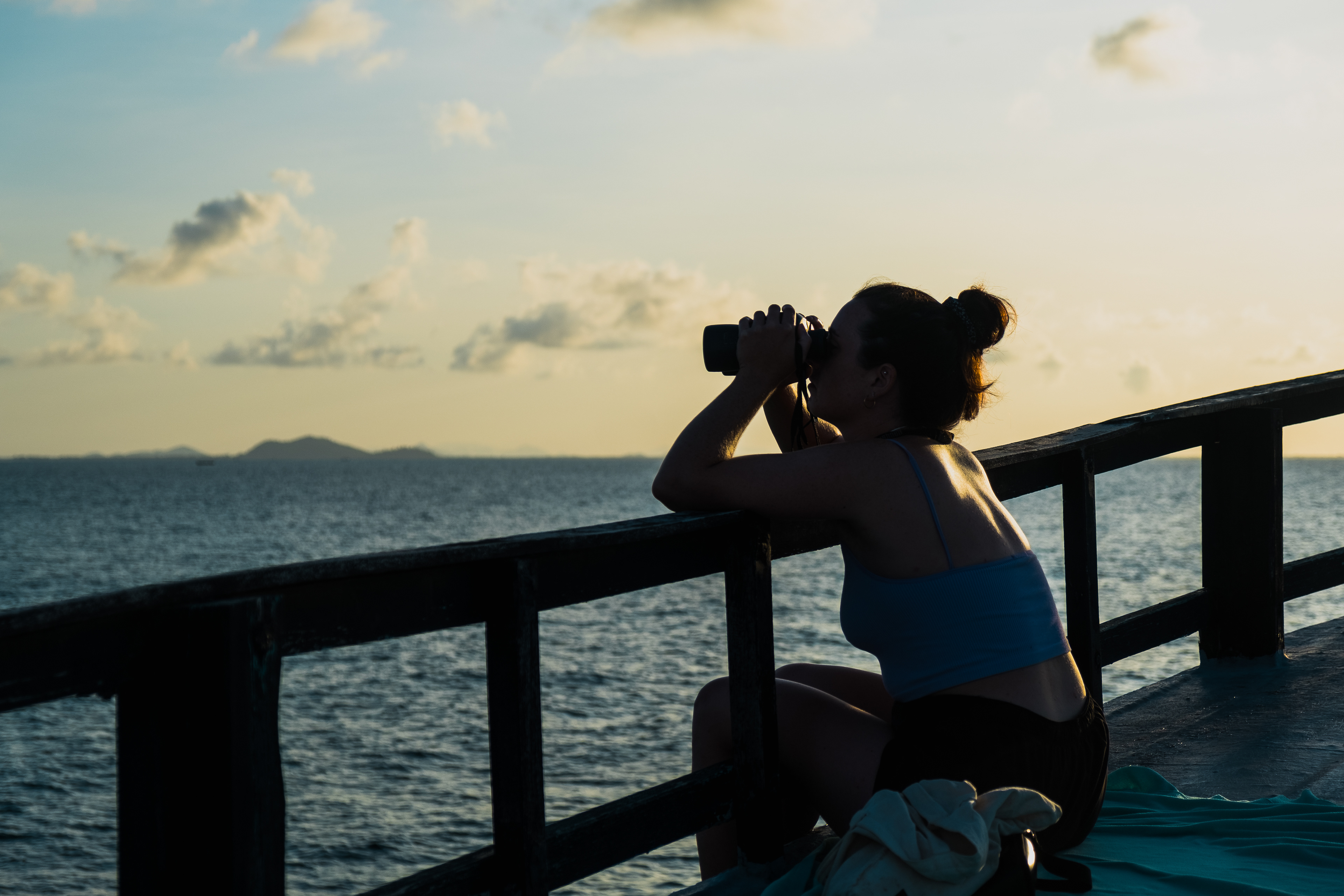
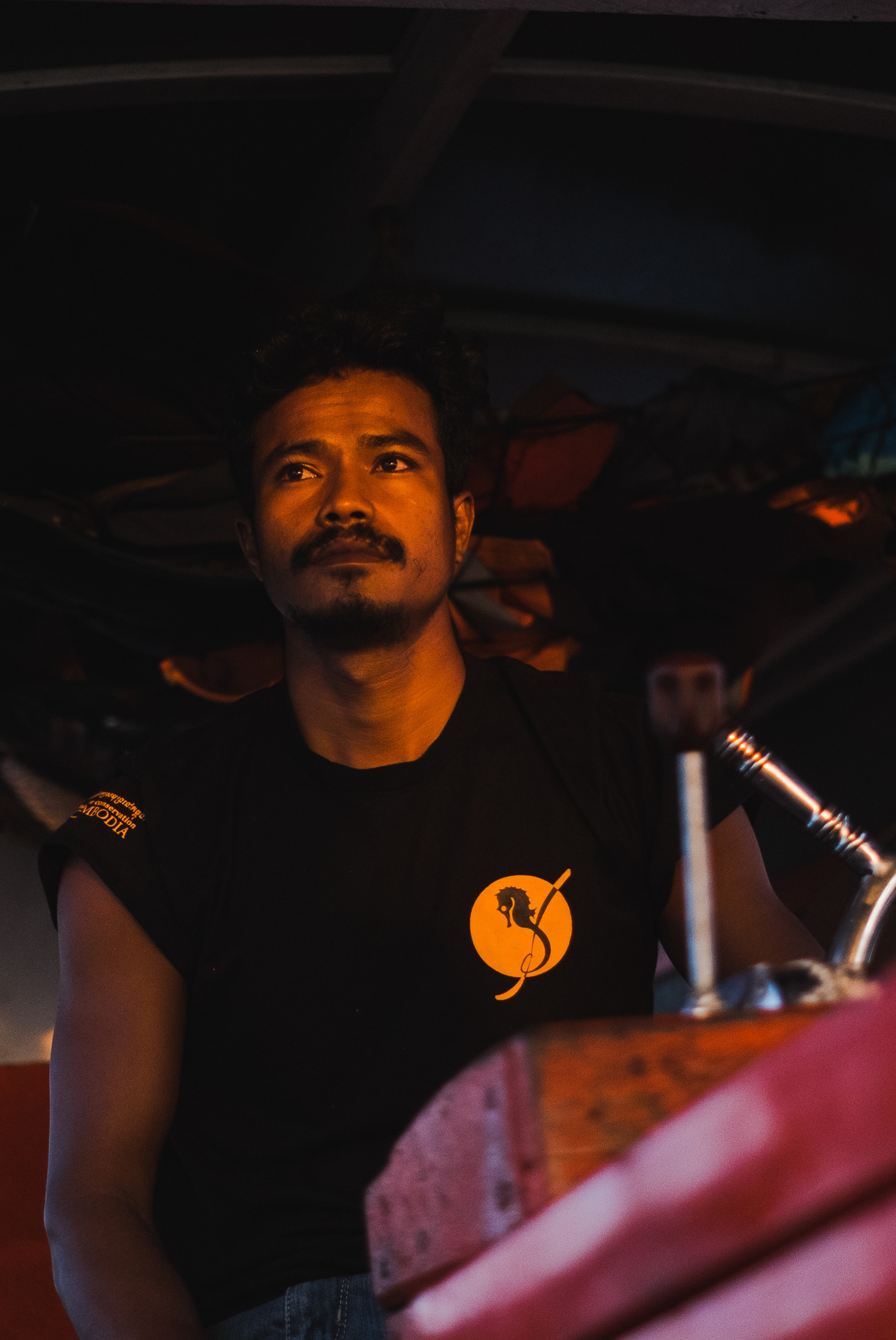
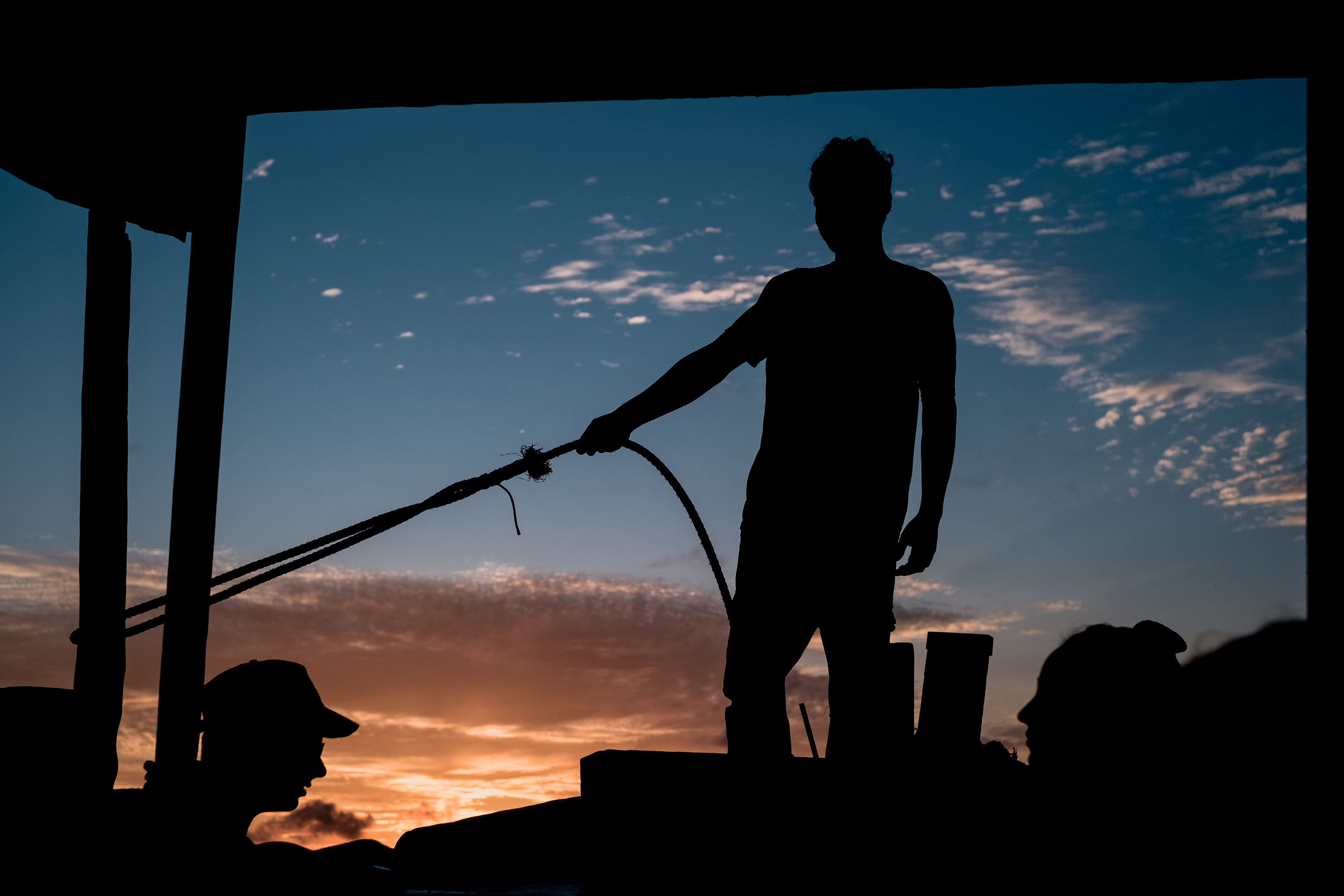
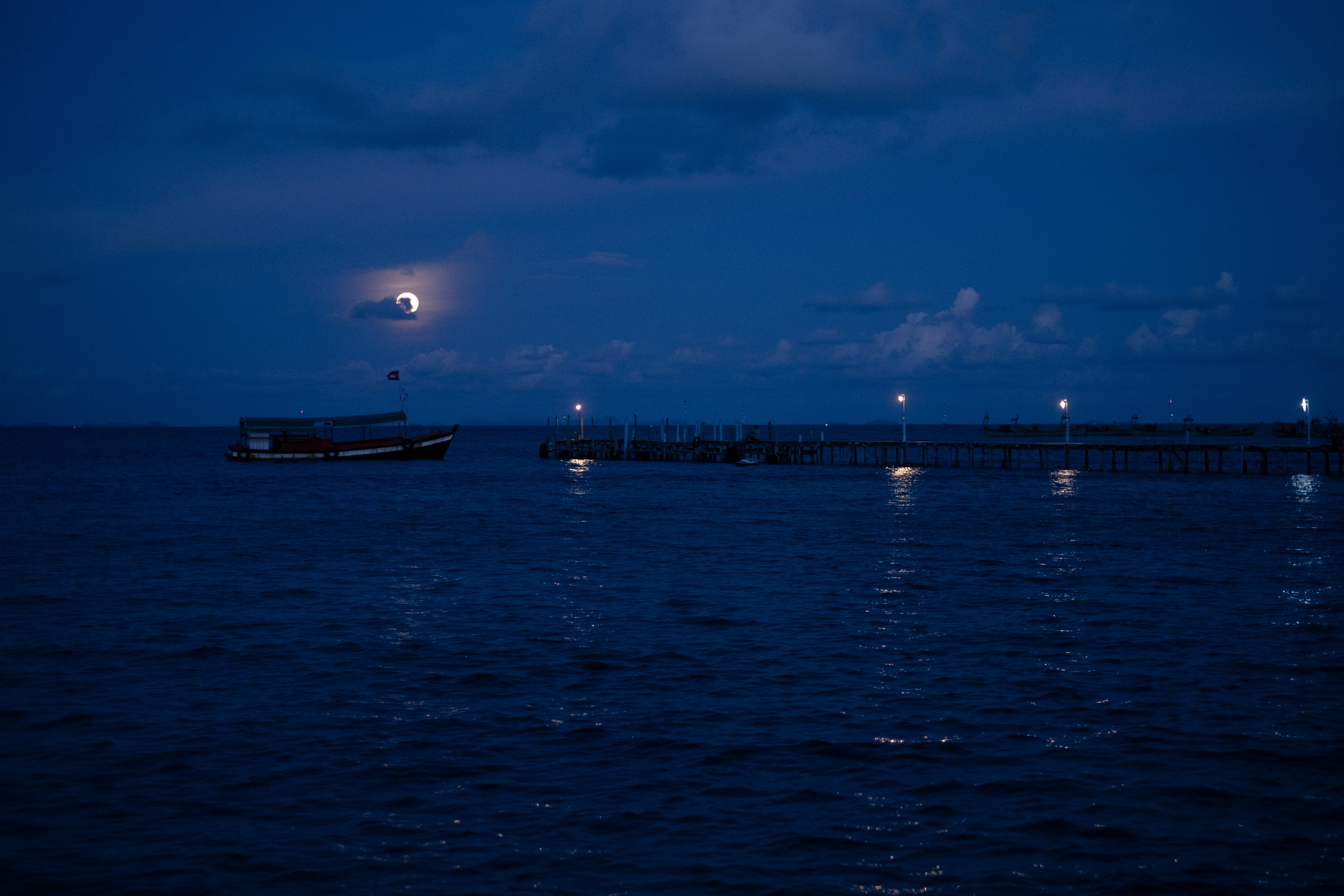
The unspoken heroes of Marine Conservation Cambodia (MCC) work day and night to stop illegal fishing, trawling and poaching. I had the immense of privilege of working alongside them for six months, on the beautiful island of Koh Ach Seh, off the coast of Kep, Cambodia. A few years back, this patch of maritime land was overran by trawlers, scraping off the seabed, bycatching marine mammals, and destroying everything under their passage. MCC has been working tirelessly to put an end to it, developing a protected area and seeing wildlife return. Today, they keep pushing trawlers back, building underwater structures that catch their electrical nets while also serving as artificial reefs. They survey ecosystems from seagrass and corals to marine mammals.
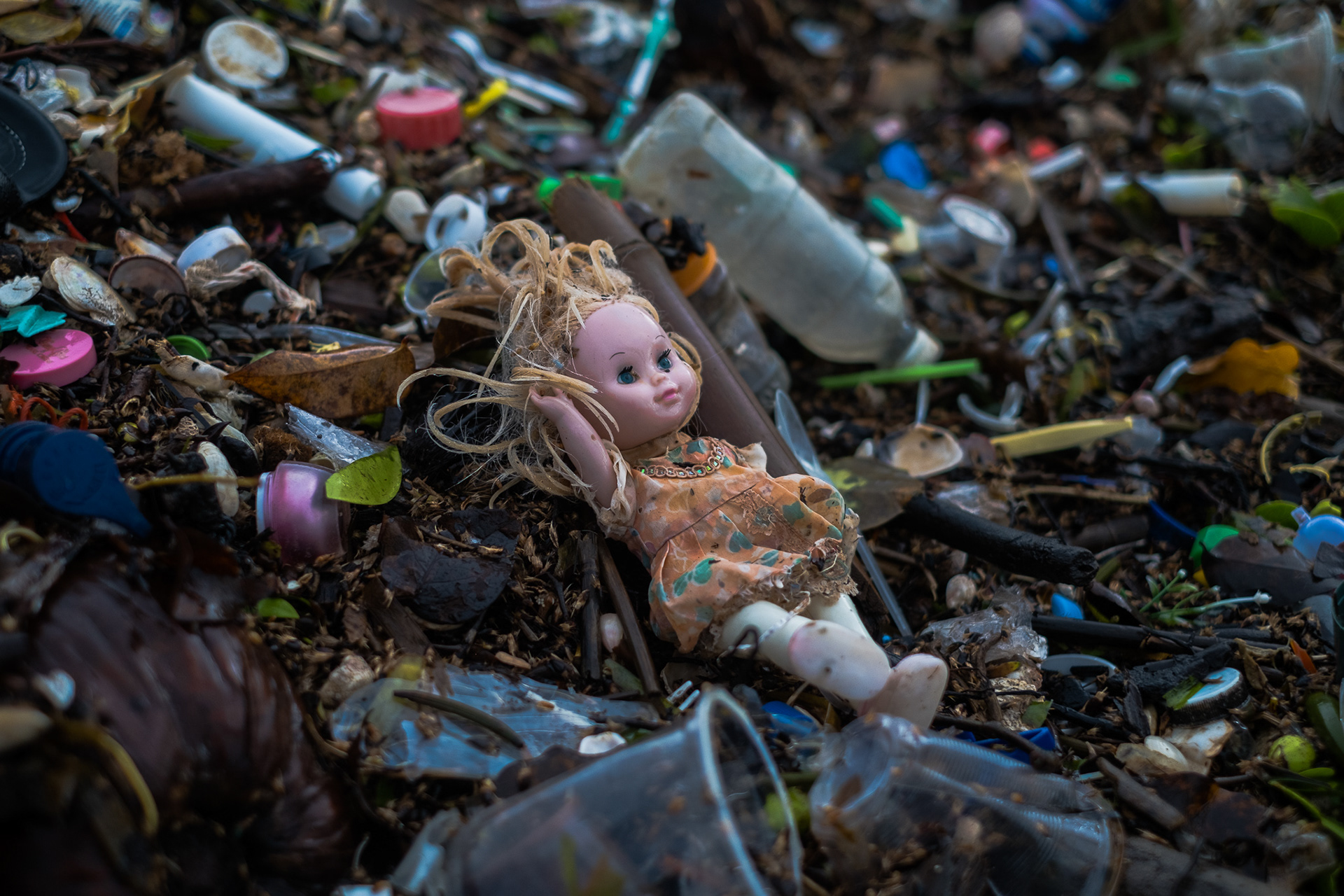
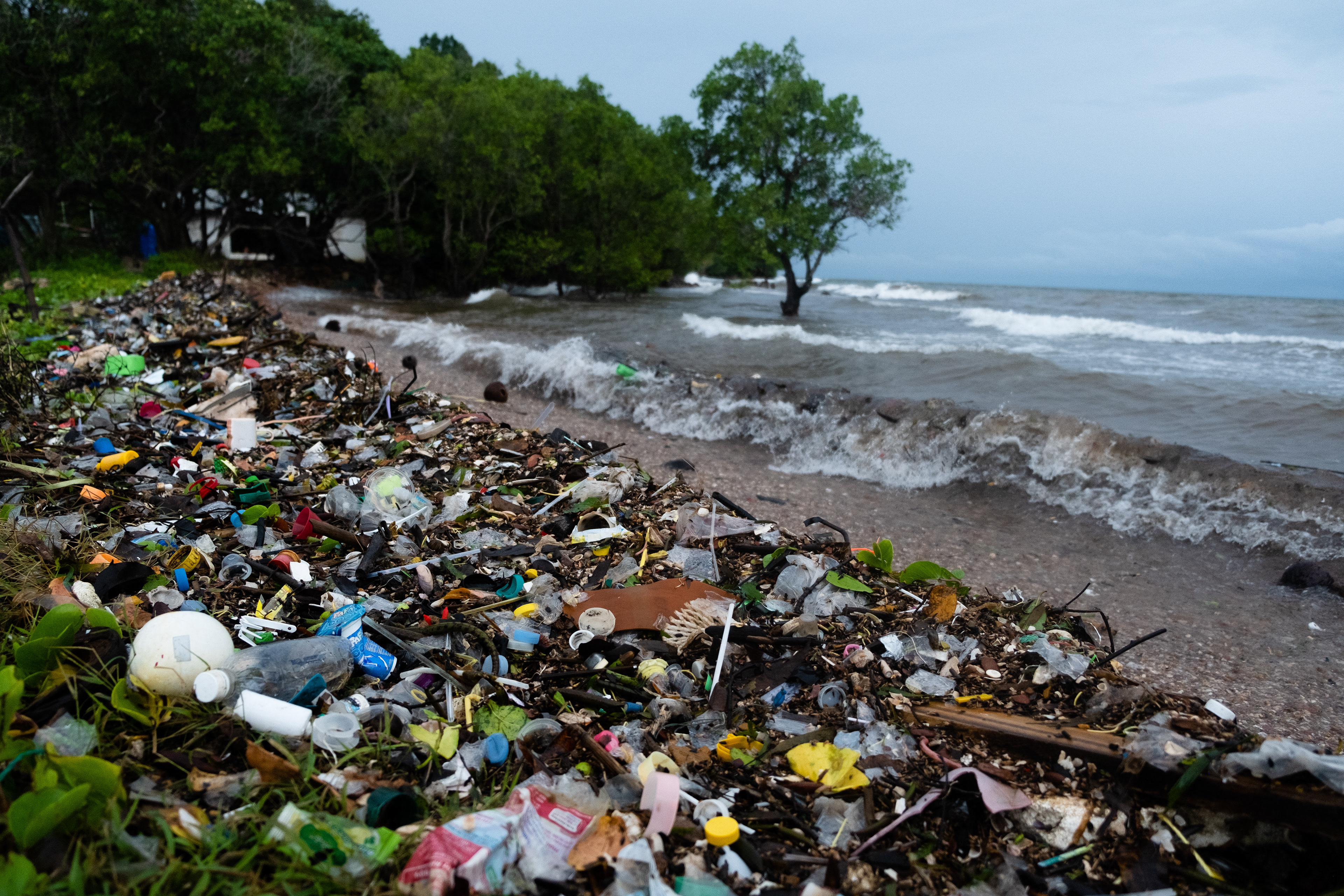
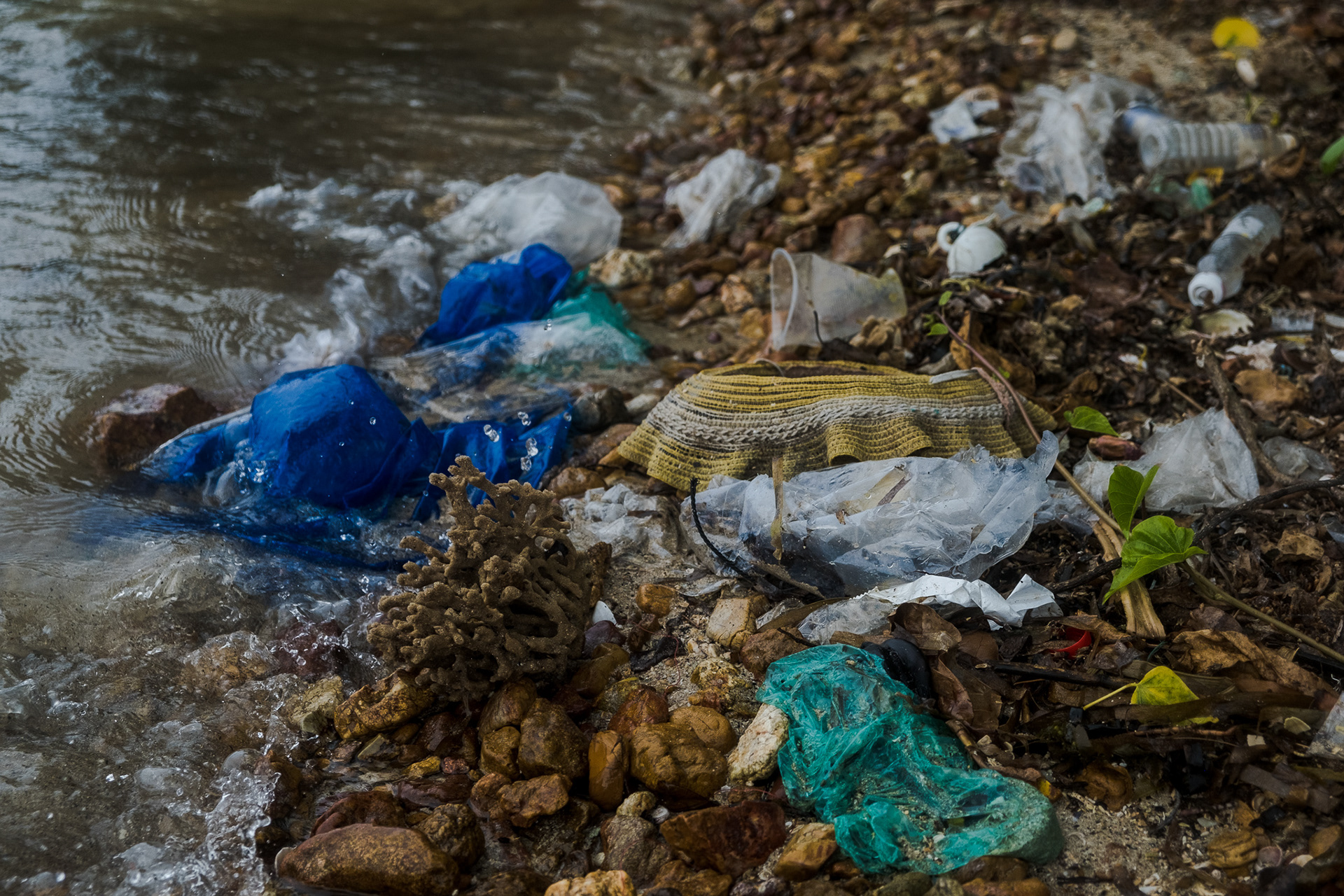
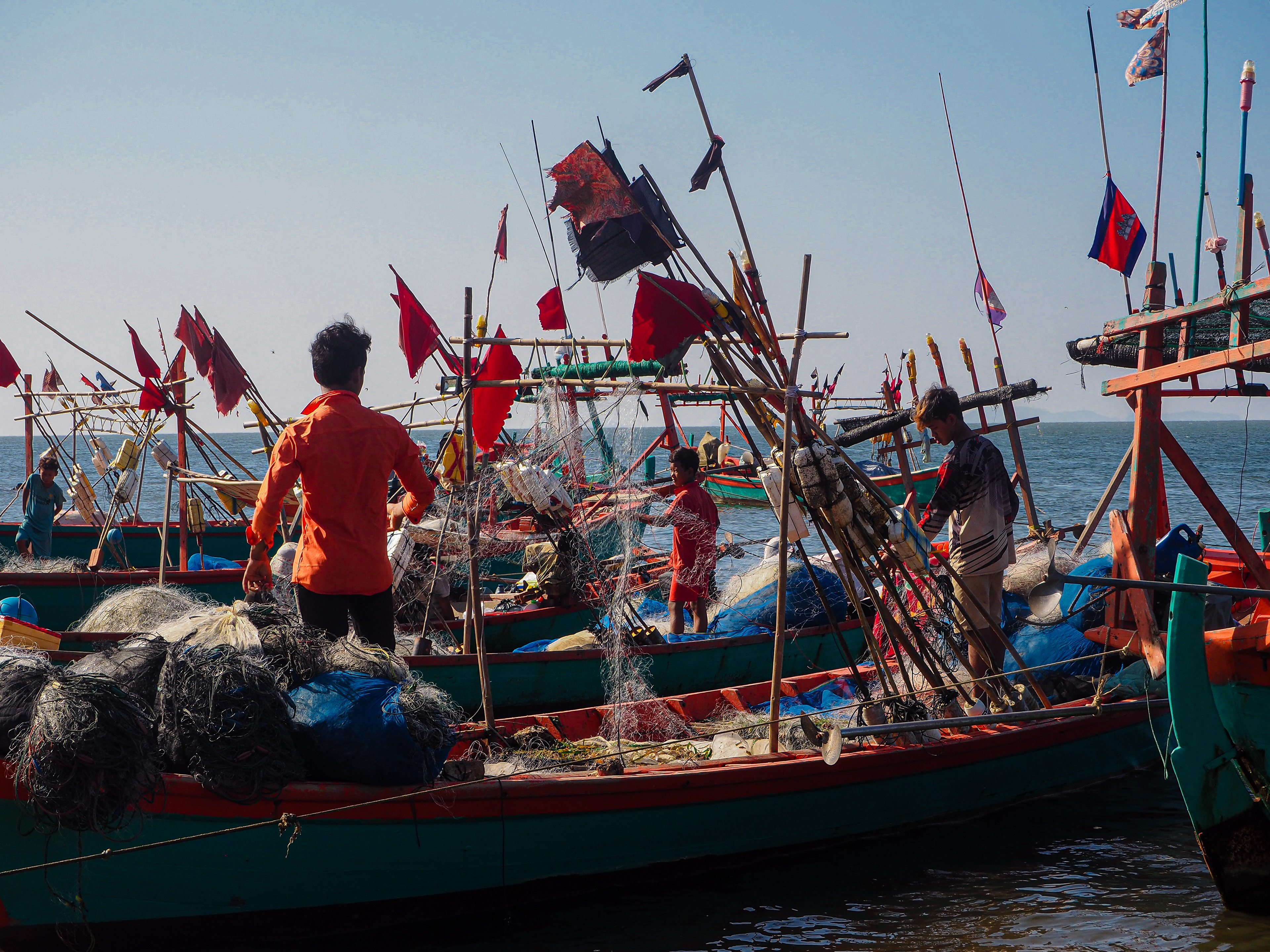
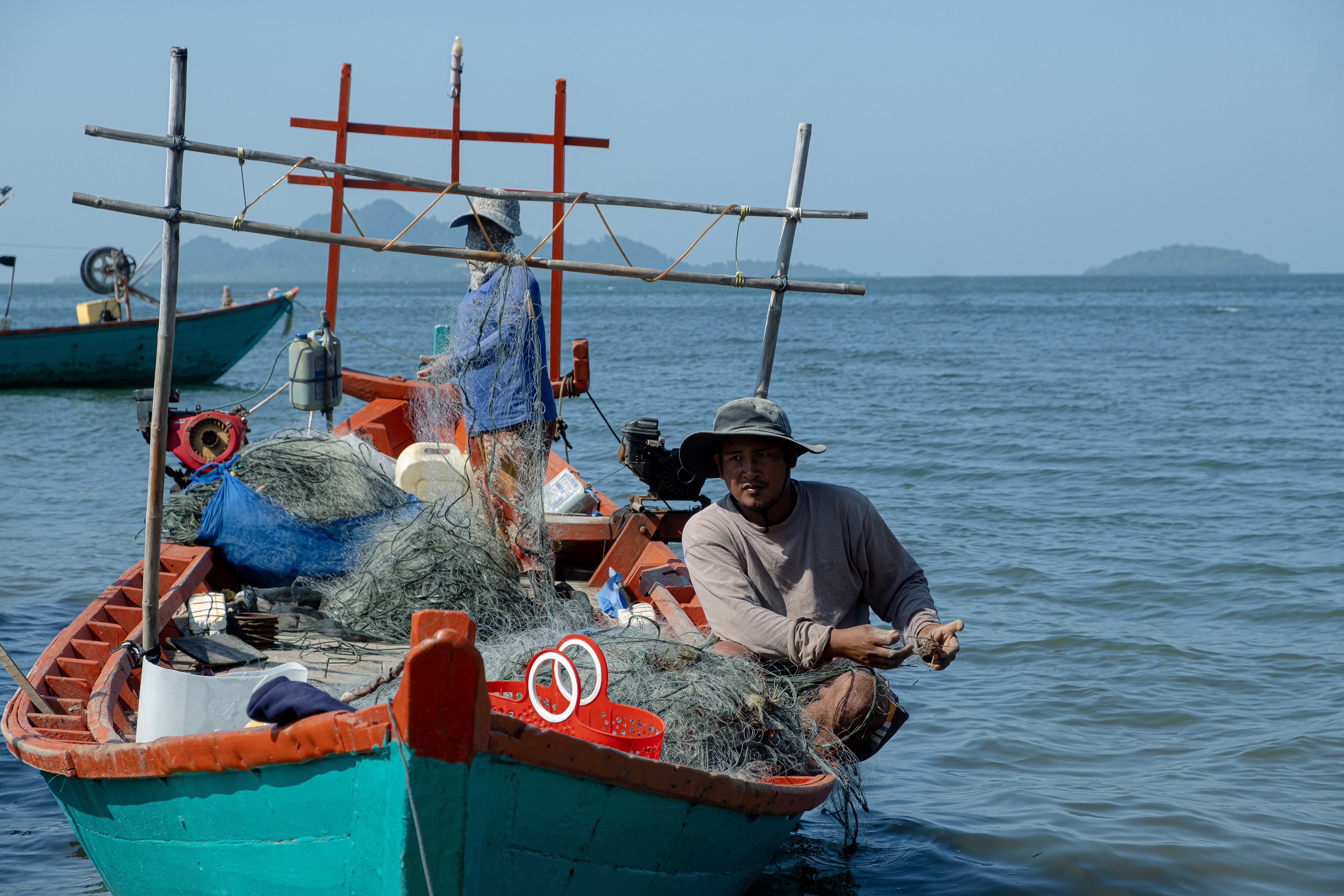
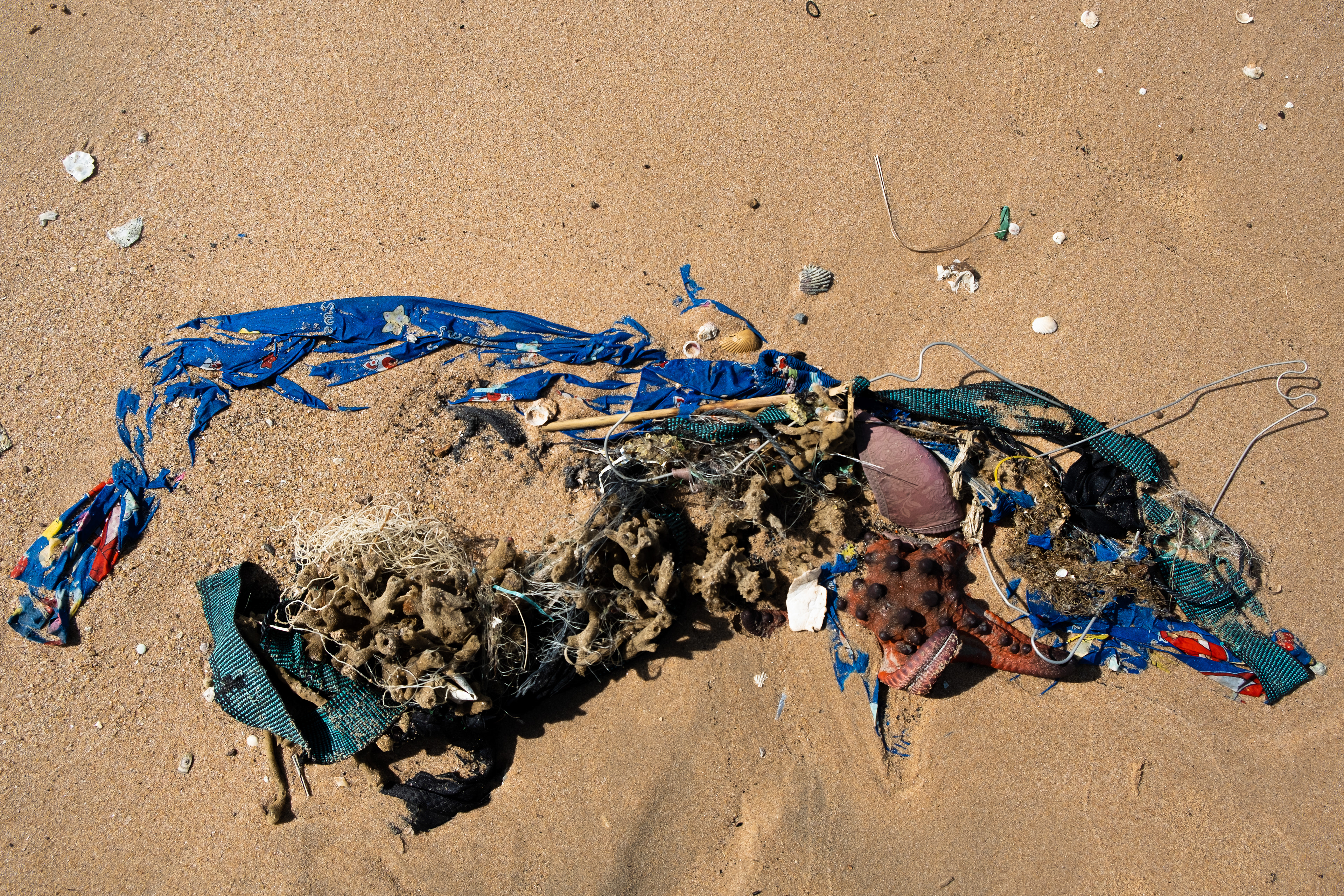
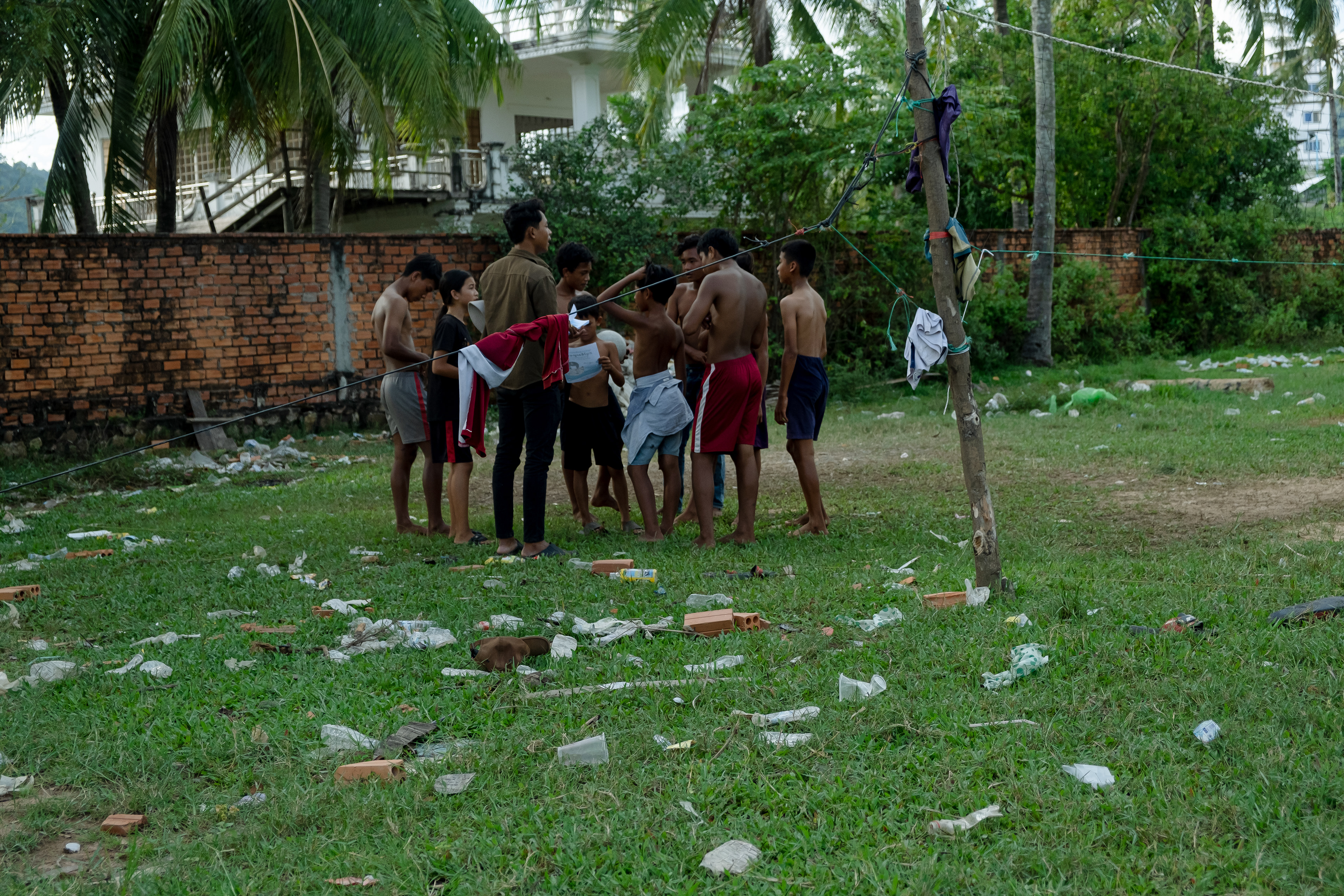
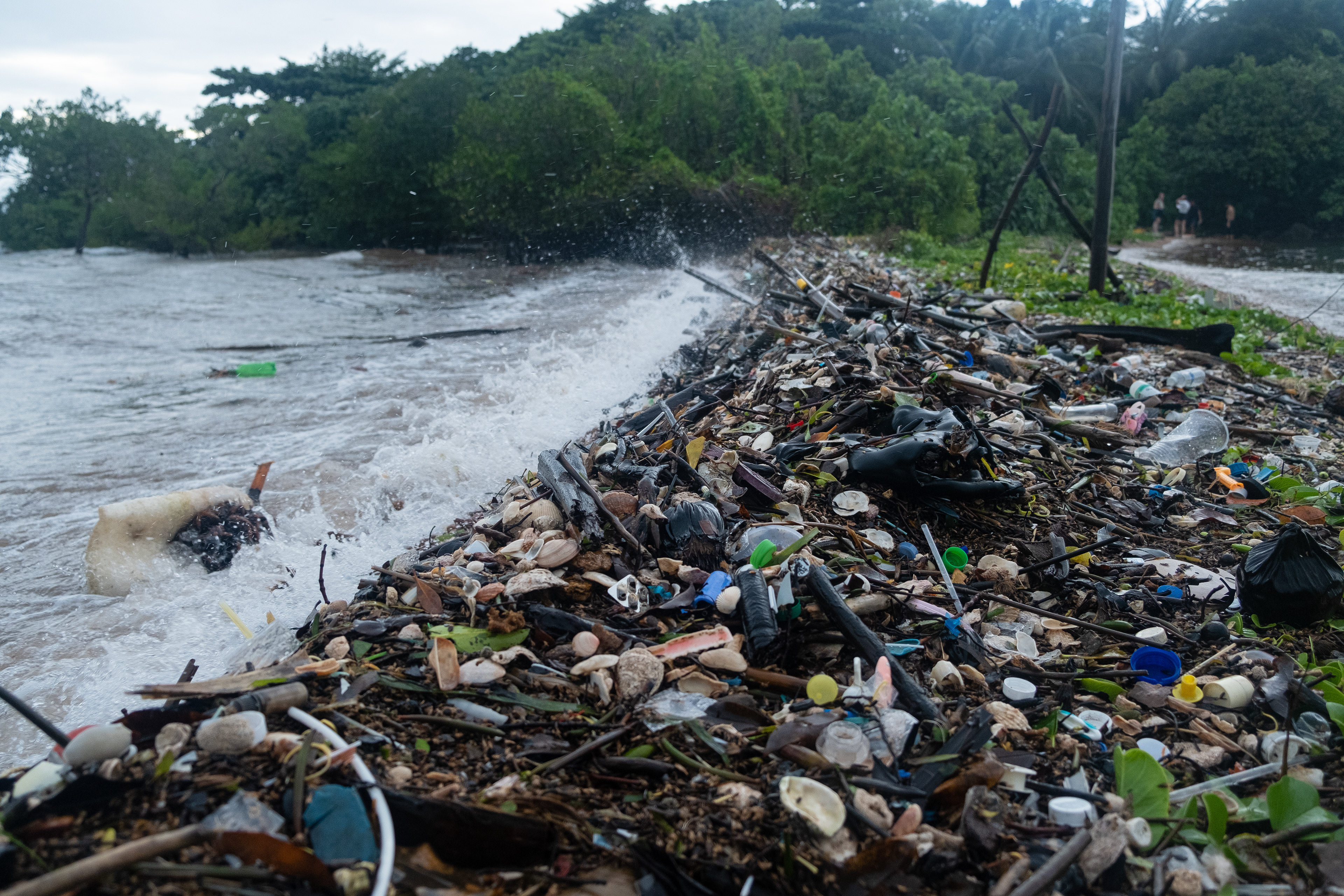
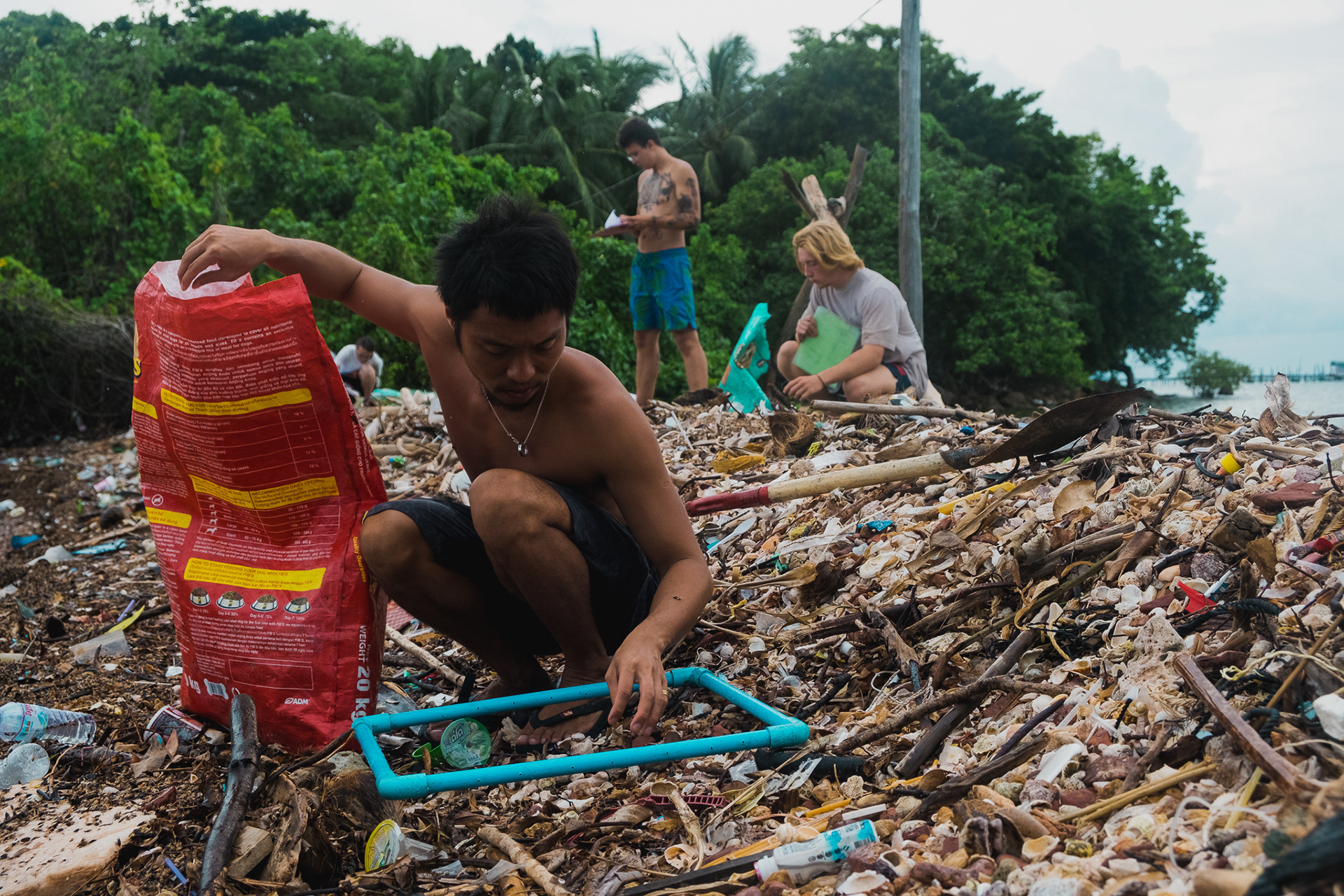
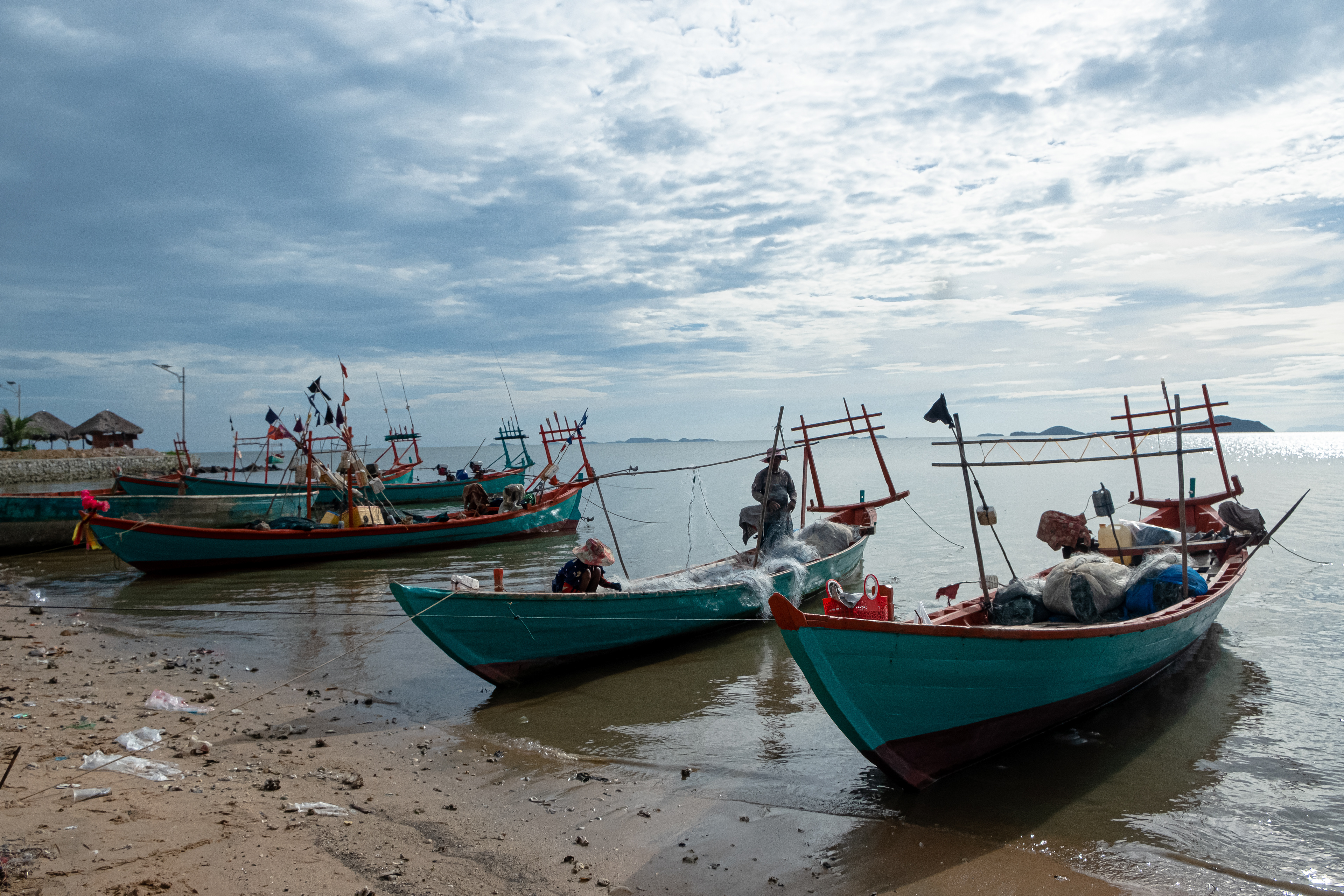
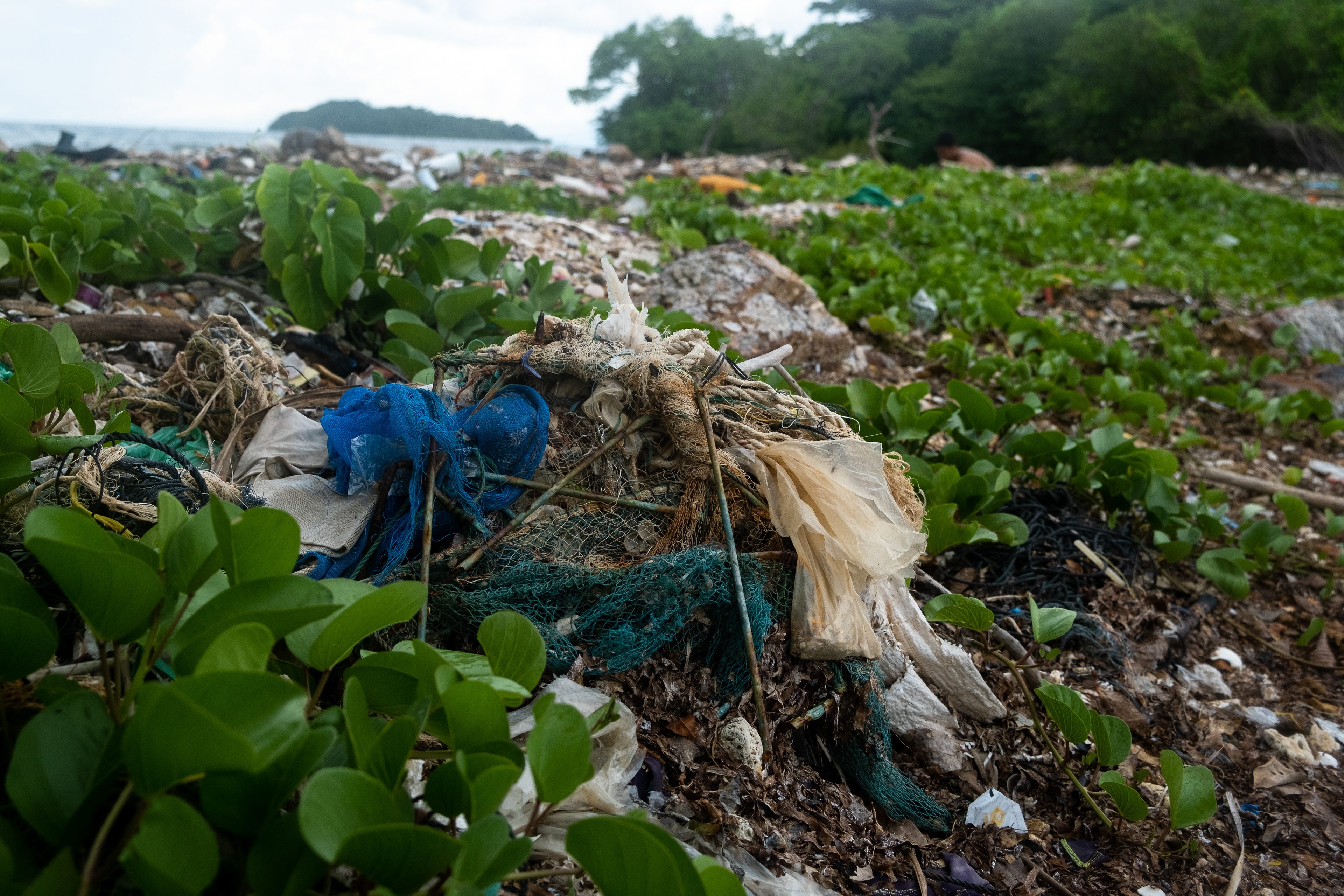
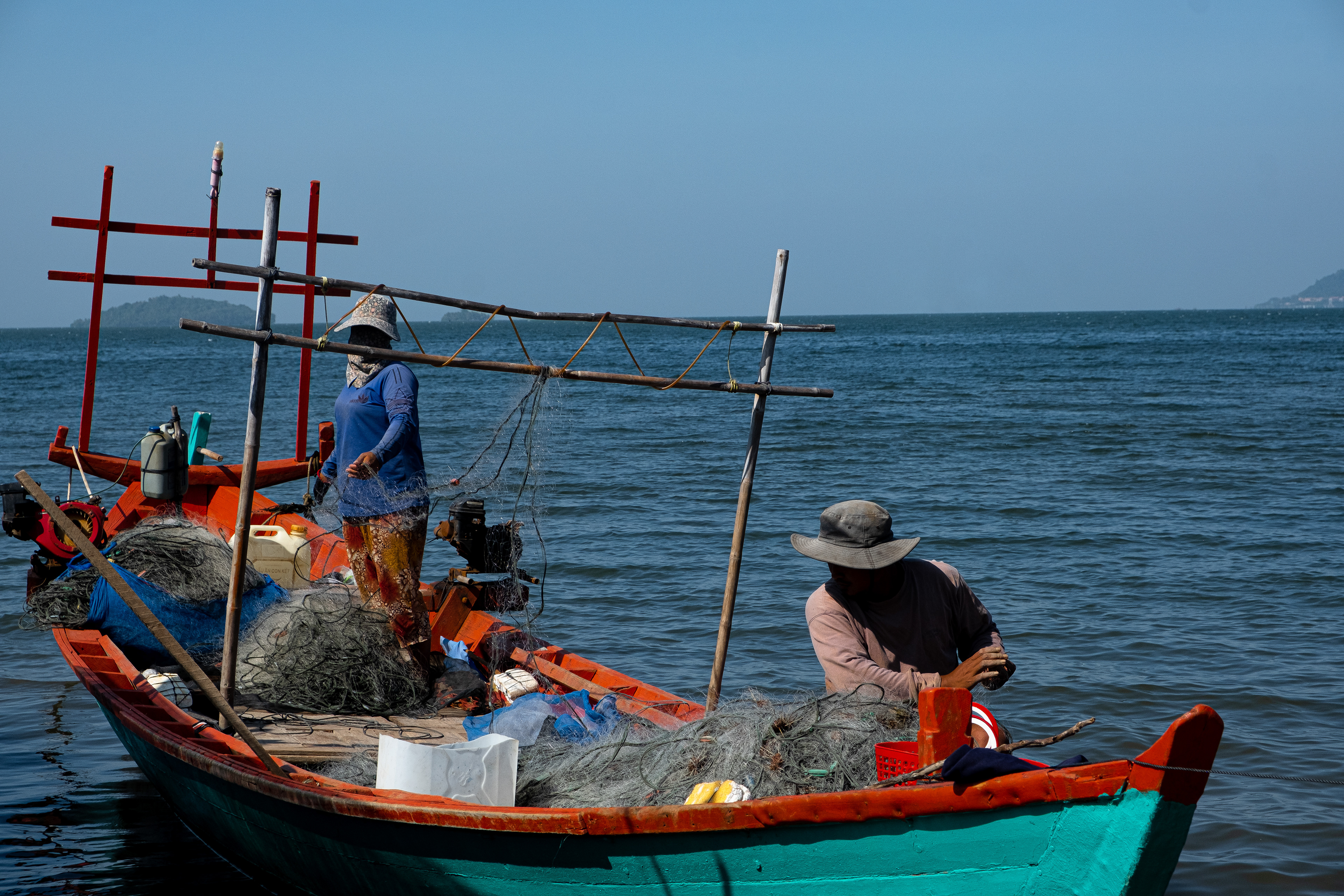
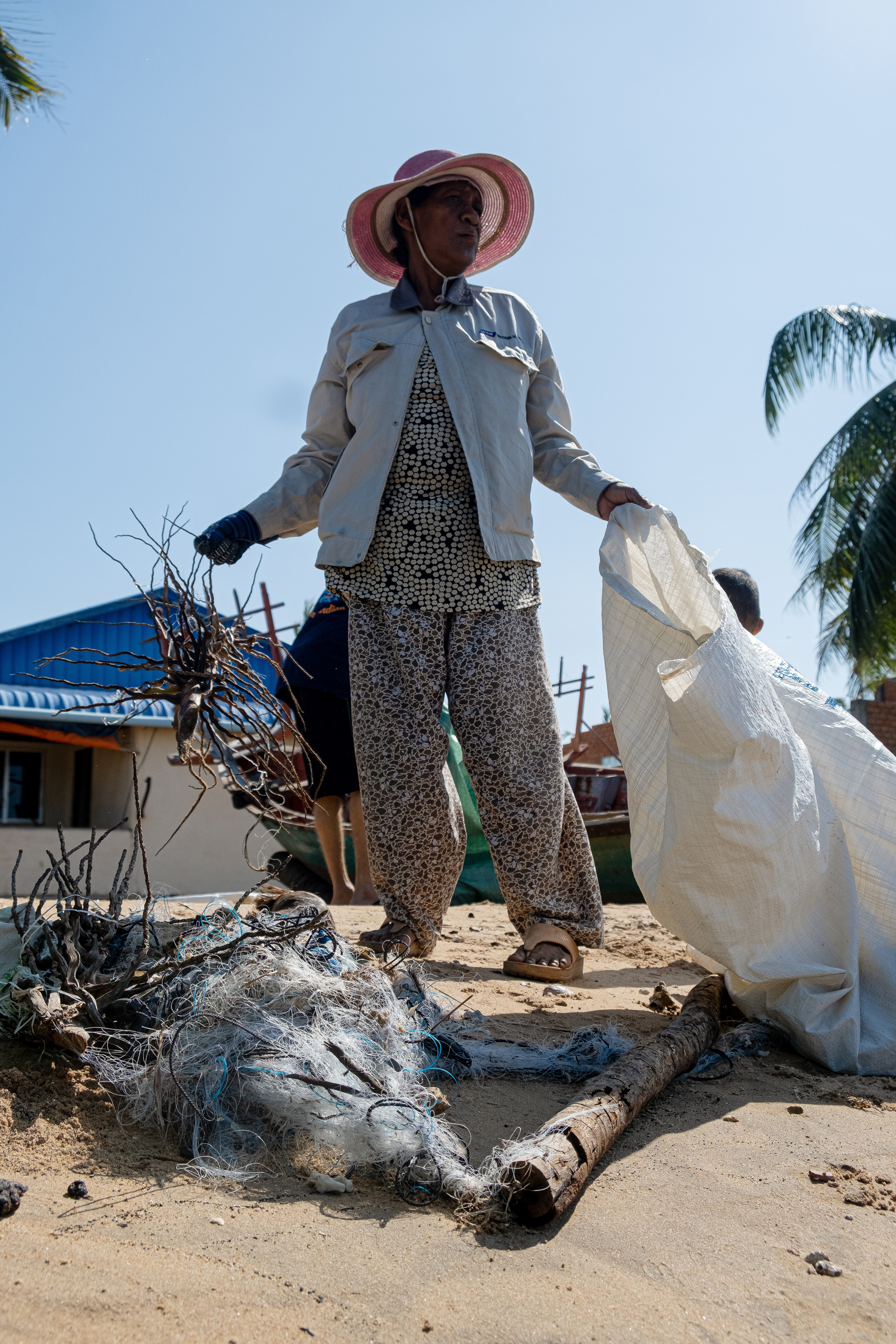
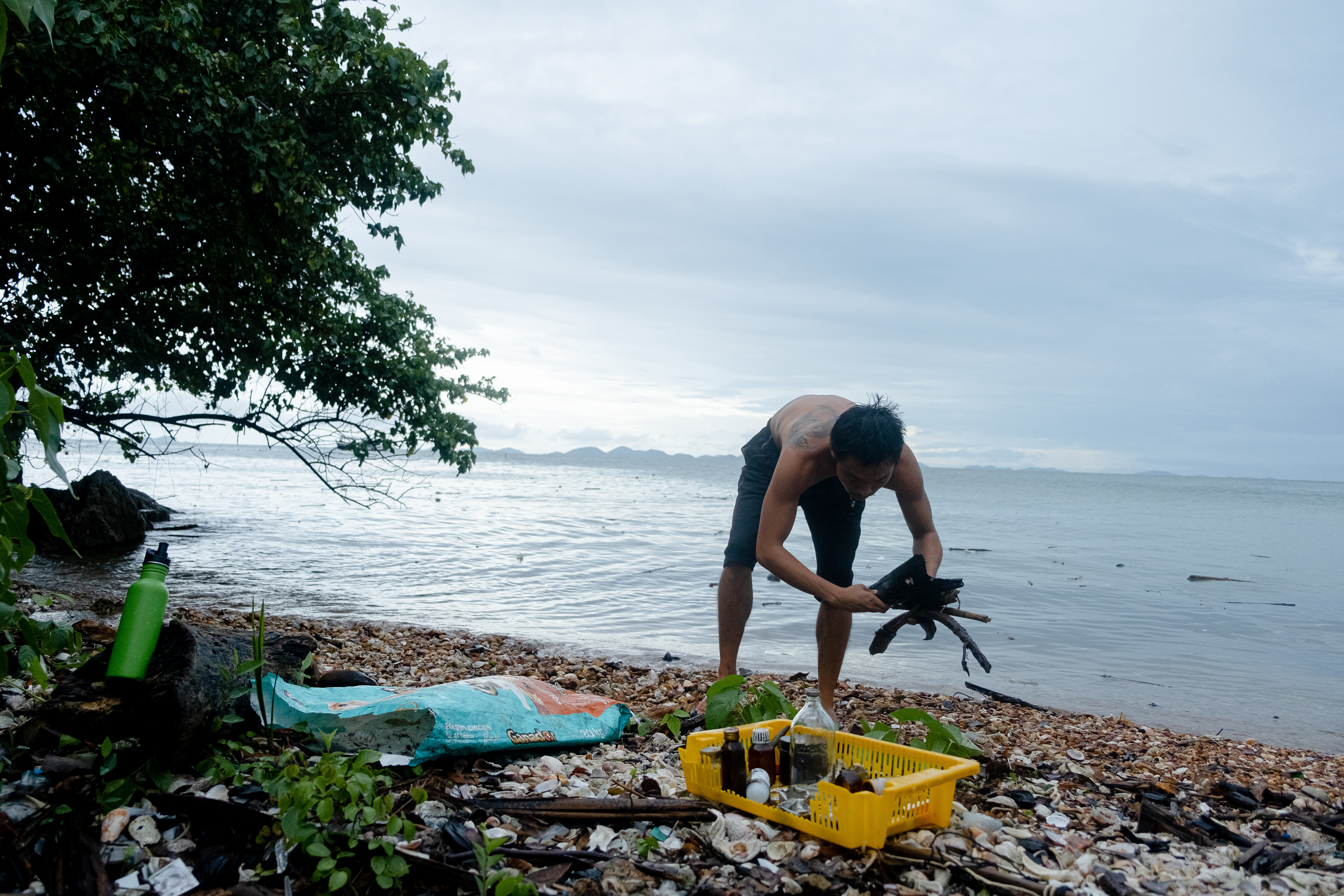
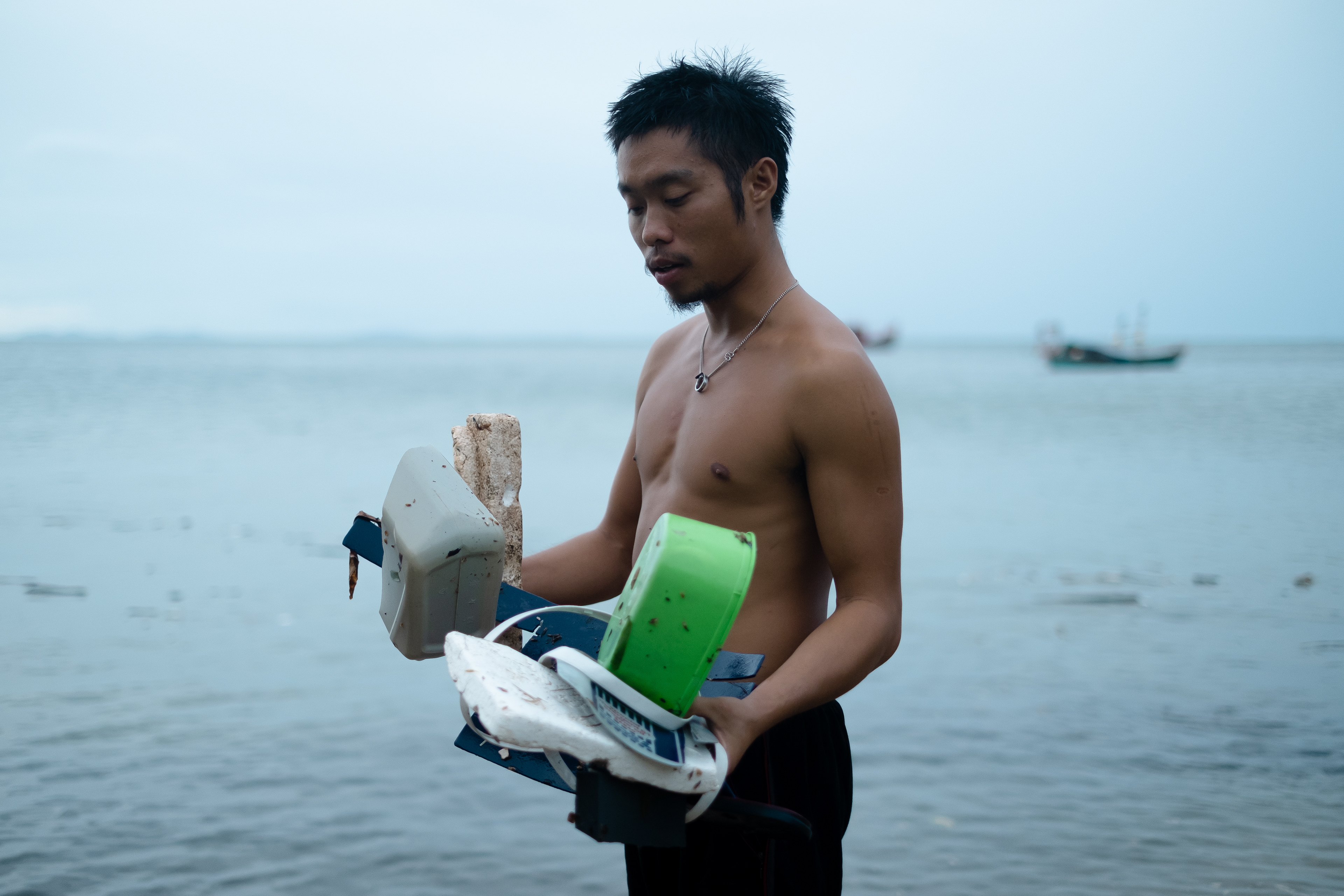
The plastic problem in Cambodia is a newer one, but it is a gigantic one. Koh Ach Seh receives several tons of plastic on its beaches daily. Fishermen plastic nets get caught on corals, entrapping sea life, before eventually washing up on shore, while single used plastics get tossed on the ground, after you guessed it, one single use. Our study shows that plastic bottles, bottle caps and straws are the most commonly found items travelling to the island, cumulatively representing almost 50% of all the trash that gets washed off. Take out items, including plastic cutlery, cups, bags and wrappers are next at 23%. The problem is not solely in the lack of education on the detrimental effects of plastic pollution on wildlife and public health, but also in the inaction by the government to set up adequate trash removal. Additionally, due to its affordability, overconsumption boomed quickly and is now an integral part of Cambodians' daily lives. However, recent initiatives, including at MCC, are working to curb plastic pollution.